
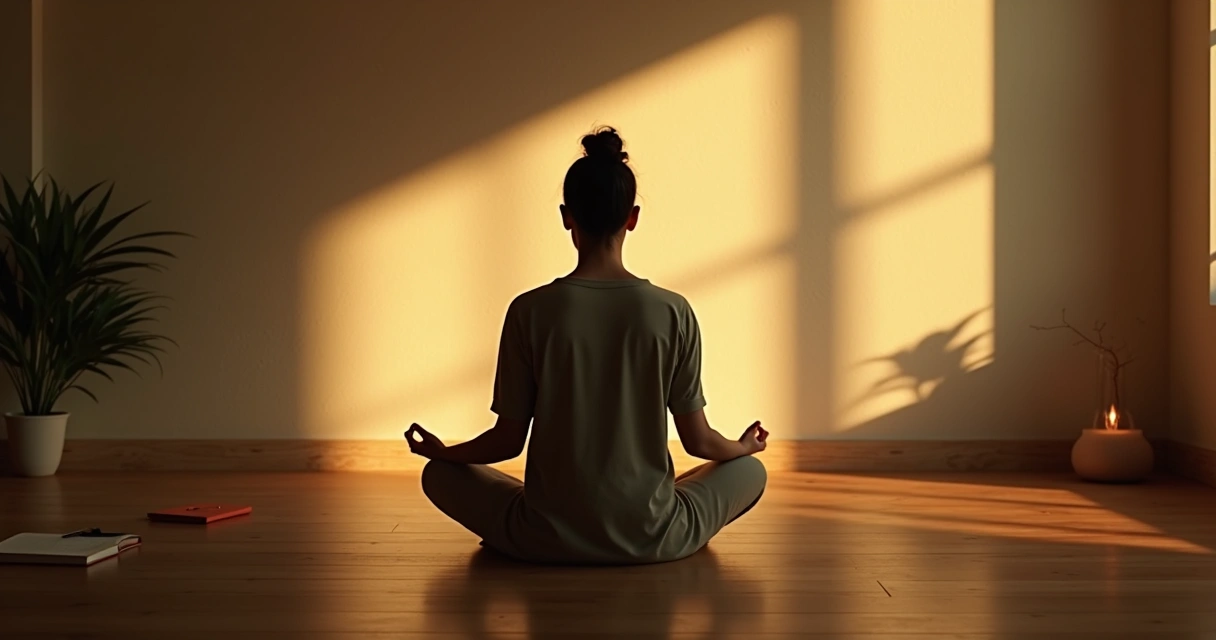
We all carry hidden patterns that quietly shape our emotions, choices, and relationships. Often, these patterns are not obvious. They drive us from beneath the surface, surfacing as emotional triggers, stubborn habits, or even recurring conflicts. The work of shadow integration is not about chasing away what is uncomfortable. Instead, it is a conscious process of bringing light, kindness, and understanding to what has been hidden within us.
What is the shadow and why does it matter?
The term “shadow” refers to aspects of ourselves we may not fully accept, see, or even know exist. These can be thoughts, memories, emotions, drives, or behavioral patterns. We did not create this shadow on purpose. It often forms in childhood, as we learn which qualities are “ok” and which should be hidden. Over time, these hidden parts can powerfully influence our life.
Making peace with our shadow brings quiet strength.
In our experience, acknowledging and working with the shadow can be a source of inner freedom. When we deny these patterns, they tend to grow stronger in the background. But when we gently turn toward them, we find more choices, more compassion, and deeper self-understanding.
The process of shadow integration: A step-by-step approach
We have learned that shadow integration is not a single event. It is a gradual and respectful journey of self-growth. We can outline clear steps to help anyone begin addressing their hidden patterns with clarity and courage.
Step 1. Recognize the signs of the shadow
The first step begins with noticing. Hidden patterns often announce themselves through discomfort, repeated life difficulties, or strong emotional reactions. We may find ourselves overreacting, feeling stuck, or facing similar challenges again and again.
- Are you triggered by certain comments or actions?
- Do you have habits that feel out of your control?
- Is it hard to accept compliments or success?
- Do anger, guilt, or fear show up in certain relationships?
These experiences often point to shadow material waiting for attention.
Step 2. Cultivate self-awareness and mindfulness
To work with our shadow, we build a foundation of gentle observation. This means watching our inner world without judgment. Practices such as mindful breathing or journaling can be very helpful. Even a few minutes a day can help us catch the patterns that play out when we are on autopilot.
Self-awareness grows each time we pause before reacting. That pause is the space where we can meet our shadow, not as an enemy, but as part of our story.

Step 3. Name the hidden pattern
We have seen that bringing a hidden pattern into words is a powerful act.
Try to give language to what shows up. For example:
- "I notice I criticize myself harshly when I make mistakes."
- "I feel envy when others get what I want."
- "I avoid conflict at any cost, even when I need to speak up."
Naming does not make these patterns worse. Instead, it loosens their grip. What we put into gentle words, we begin to understand and accept.
Step 4. Practice radical acceptance
This step invites us to look at our hidden parts with kindness. Acceptance means recognizing what is there, without trying to explain it away, blame ourselves, or run from it. This can feel difficult—after all, cultural and personal messages often teach us to reject or shame certain feelings or impulses.
The goal is not to get rid of these patterns, but to accept them as real parts of our experience. We might even find the original purpose behind the shadow—very often, these patterns began as protection, not as harm.
Step 5. Explore the roots with curiosity
Now we ask: Where did this pattern come from? Sometimes, we can trace the shadow back to early experiences, family stories, or past wounds. At other times, the source remains unclear. We do not need to have all the answers, but asking these questions brings insight and compassion.
- Was there a time when showing emotion was not allowed?
- Did I learn to hide strengths or joys for fear of rejection?
- Have I been carrying other people’s expectations for years?
This curiosity builds the bridge between past and present. We start seeing the shadow not as a threat, but as a guide for inner growth.
Step 6. Integrate and transform the pattern
When we see, name, and accept our shadow, we create a space for change. Integration does not mean the pattern simply disappears. It means the energy once spent in hiding now becomes available for new choices. Maybe we channel old anger into standing up for healthy boundaries. Perhaps traits we once rejected (like sensitivity or ambition) become allies in our daily life.
The shadow, met with compassion, becomes a source of self-respect, power, and wisdom. Relationships change. Our sense of purpose becomes more honest and anchored.

Everyday tools for ongoing shadow integration
Shadow integration is supported by regular practices. While each journey is unique, we have found certain methods helpful for many:
- Journaling: Writing thoughts and feelings as they arise, especially after emotional moments.
- Mindful check-ins: Taking a pause to breathe and notice body sensations, thoughts, and emotions.
- Therapeutic conversations: If available, talking with a trusted listener or mentor.
- Art or movement: Using creative activities to express and witness shadow material in non-verbal ways.
These are not quick fixes. Over time, they build a foundation for deeper honesty, unity, and inner calm.
The impact of shadow integration on our lives
When we take steps to address hidden patterns, we often notice changes that ripple into all areas of our lives. Old anxieties may soften. Our confidence increases. Communication improves, and we relate to others with more empathy. The fear of “being found out” shrinks—because we have made peace with what we used to hide.
The shadow loses power when we choose honesty over hiding.
We grow less reactive and more responsive. Life becomes less about defense and more about meaningful action and connection.
Conclusion
Shadow integration is a gentle but powerful work. It brings together self-observation, kindness, honesty, and transformation. We do not become flawless, but we become more whole, embodied, and true to ourselves. The journey asks for patience and courage, but brings greater freedom and harmony, with ourselves and with others.
Frequently asked questions
What is shadow integration?
Shadow integration is the process of recognizing, accepting, and transforming the hidden parts of our personality. These parts may include emotions, habits, or beliefs that we have learned to hide or reject. This process allows us to become more self-aware and live with greater honesty and freedom.
How do I start shadow integration?
Start by noticing recurring emotional triggers or patterns in your life. From there, practice observing your thoughts and feelings without judgment, journal your insights, and name your hidden patterns. Accept what you find, and explore the roots of these patterns. If possible, use support such as conversations or creative activities to help process your discoveries.
Why address hidden patterns in myself?
Addressing hidden patterns frees up the energy used to deny, hide, or fight against parts of ourselves. This leads to less emotional reactivity, more authentic connections, and a greater sense of personal harmony.
What are common shadow integration steps?
The key steps are: recognizing the signs of the shadow, building self-awareness, naming the pattern, practicing radical acceptance, exploring the root causes, and integrating the lessons found into daily life. Ongoing practices such as journaling and mindful reflection support this process.
Is shadow integration worth trying?
Many people find that shadow integration increases self-acceptance, emotional balance, and life satisfaction. It can help break repeating cycles and deepen your relationships with others and with yourself. If you are seeking lasting inner change, it is a process that brings real value.