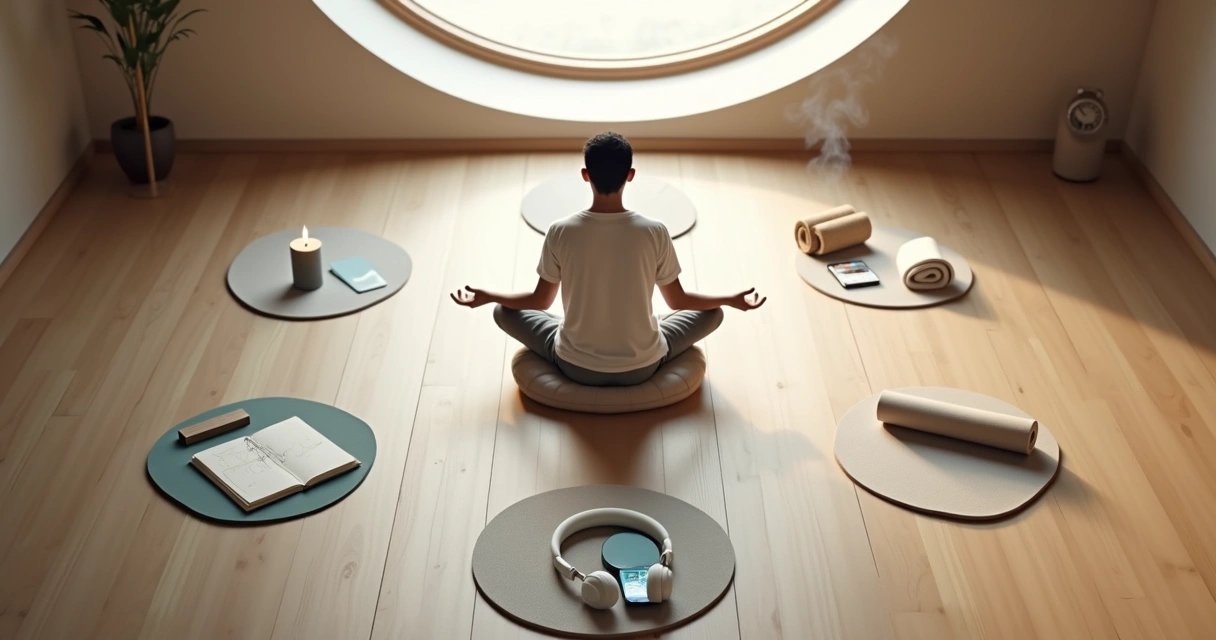

We all search for joy, contentment, and a sense of purpose in our daily lives. Often, it’s the subtle shifts in our perspective that open the door to a deeper, more consistent feeling of wellbeing. Among these shifts, gratitude stands out as a gentle but transformative force. It’s not about ignoring hardship or brushing aside challenges. Gratitude, instead, trains our mind to notice the good, amplifying what is present, and creating resilience in the face of difficulties.
In our experience, gratitude is more than just a temporary feeling—it is a practice that, when cultivated regularly, can shift our baseline mood. Imagine going from a default of stress, irritation, or numbness to one of inner calm and warmth. This shift happens not by accident, but through repeated, intentional habits.
We have collected eight gratitude practices that serve as practical tools to gradually reshape the way we perceive our lives. These are not quick fixes, but approachable ways to foster lasting mood change. Let’s explore how you can use them.
The science behind gratitude and mood
Before sharing the specific practices, it helps to understand why gratitude works. Studies have shown that regularly expressing gratitude can reduce symptoms of depression, increase optimism, and even improve physical health. This isn’t simply wishful thinking. Brain imaging has revealed that practicing gratitude stimulates the brain’s reward pathways, releasing dopamine and serotonin—chemicals linked to positive mood.
We’ve noticed that people who dedicate a few minutes to recognizing what they appreciate often report a lighter mood and greater ability to manage stress. Over time, their “baseline mood” shifts, so that positive feelings become more accessible, even when life throws challenges their way.
Eight gratitude practices that really work
1. Keep a gratitude journal
Taking just five minutes each day to write down three things you’re grateful for has been shown to make a meaningful difference. These can be big (a new job) or small (a warm cup of coffee). The key is consistency. This process gently retrains our brain to look for the good, even on tough days.
“Small moments matter most.”
2. Express gratitude to others
Sometimes, a simple “thank you” can transform a moment or even a whole day. We encourage writing a short note, sending a message, or saying thanks in person, especially when the gesture is unexpected. This not only boosts their mood but also strengthens your own sense of connection.
3. Savor ordinary pleasures
Life offers countless ordinary moments that go unnoticed—fresh air, laughter, a favorite song. Practicing gratitude can be as simple as consciously enjoying one of these small joys each day. Pause, close your eyes, and let yourself feel gratitude for that experience. You’ll notice a shift in how you meet the rest of your day.

4. Practice mindful gratitude meditation
If you enjoy meditation or want to try, set aside a few minutes to focus on what you appreciate. Sit quietly, breathe deeply, and bring to mind aspects of your day or life for which you feel grateful. Let these feelings expand. This mindful presence helps anchor gratitude in your awareness, grounding you in the present.
5. Create visual gratitude reminders
We all get distracted, so having visible cues can bring us back to a grateful mindset. This could be a gratitude jar, where you write notes about what you appreciate and collect them over time. Or perhaps you display favorite photos, positive quotes, or small objects that symbolize special memories around your home or office. These reminders spark gratitude every time you see them.
6. Share gratitude at mealtimes
Meals offer a natural pause point in the day. Taking a moment—either aloud or silently—to reflect on something you appreciate before eating nurtures both gratitude and mindful eating. This can become a meaningful household or personal ritual.
7. Reflect before bed
Reviewing your day from a grateful perspective, especially in the evening, helps to “bookend” your experience on a positive note. Ask yourself what you are thankful for from the day. We find that this practice not only improves sleep but also leaves you waking with a lighter mood.

8. Notice and challenge negativity bias
Our brains are naturally wired to pay more attention to negative experiences. One way to counter this bias is, whenever you catch yourself dwelling on what’s wrong, to deliberately name something that has gone well. Over time, this helps to reframe your perspective. It’s not about denying problems, but about giving fair weight to what is good.
How gratitude shifts your baseline mood
Practicing gratitude regularly creates a new emotional default—one that is more open, balanced, and able to see opportunities within challenges. Think of your baseline mood as the emotional “resting state” you return to throughout the day. When gratitude practices become habits, this baseline rises. Irritations feel less overwhelming, and positive moments become more vivid and appreciated.
We believe the main reason this works is because gratitude expands our attention. Instead of focusing only on problems or what’s missing, we start noticing what is already good. This gentle but steady shift accumulates, like drops of water slowly filling a glass.
Integrating gratitude into daily life
The beauty of gratitude is its flexibility. It can be woven into routines, rituals, and even challenges. Pick one or two of the eight practices above to start, and commit to them for a week. Notice the changes in your perception, mood, and resilience. You may wish to keep track of your experiences, noting any shifts in how you meet each day, or how your relationships respond to a new focus on appreciation.
Conclusion
Shifting your baseline mood does not require grand gestures or sudden transformation. With steady gratitude practices, small changes add up to create a more open, grounded and positive approach to life. By choosing to recognize and honor what is present and good, we strengthen our own wellbeing and often inspire the same in those around us.
“Gratitude turns what we have into enough.”
Frequently asked questions
What is a gratitude practice?
A gratitude practice is any routine or habit that helps you notice, appreciate, and express thankfulness for the people, experiences, or things in your life. This can include writing in a journal, telling someone thank you, reflecting quietly, or engaging in a ritual that centers gratitude. These practices, when done regularly, help retrain the mind to focus more on positive aspects of life.
How can I start practicing gratitude?
You can start practicing gratitude by picking one simple exercise that feels doable for you and repeating it daily. For example, write down three things you are grateful for each morning or evening, or pause during meals to acknowledge something you appreciate. Consistency is more helpful than intensity, so focus on forming a gentle routine rather than aiming for perfection.
What are the best gratitude exercises?
Some of the best gratitude exercises include keeping a daily gratitude journal, writing thank you notes, reflecting on positive moments before bed, sharing gratitude at meals, creating visual reminders like jars or photos, and engaging in gratitude meditation. The most helpful exercise is the one you can enjoy and sustain over time.
How does gratitude affect mood?
Practicing gratitude can gradually raise your baseline mood, helping you feel more positive, calm, and resilient on a day-to-day basis. Science shows that noticing and expressing appreciation changes brain activity in areas linked to happiness, reduces stress hormones, and makes positive experiences stand out more than negative ones.
Is it worth it to practice gratitude?
Absolutely. Practicing gratitude is a simple, accessible way to improve mental and emotional well-being. Over time, it helps shift your outlook from scarcity or stress toward abundance and positivity, often strengthening relationships and increasing satisfaction with life as a whole.