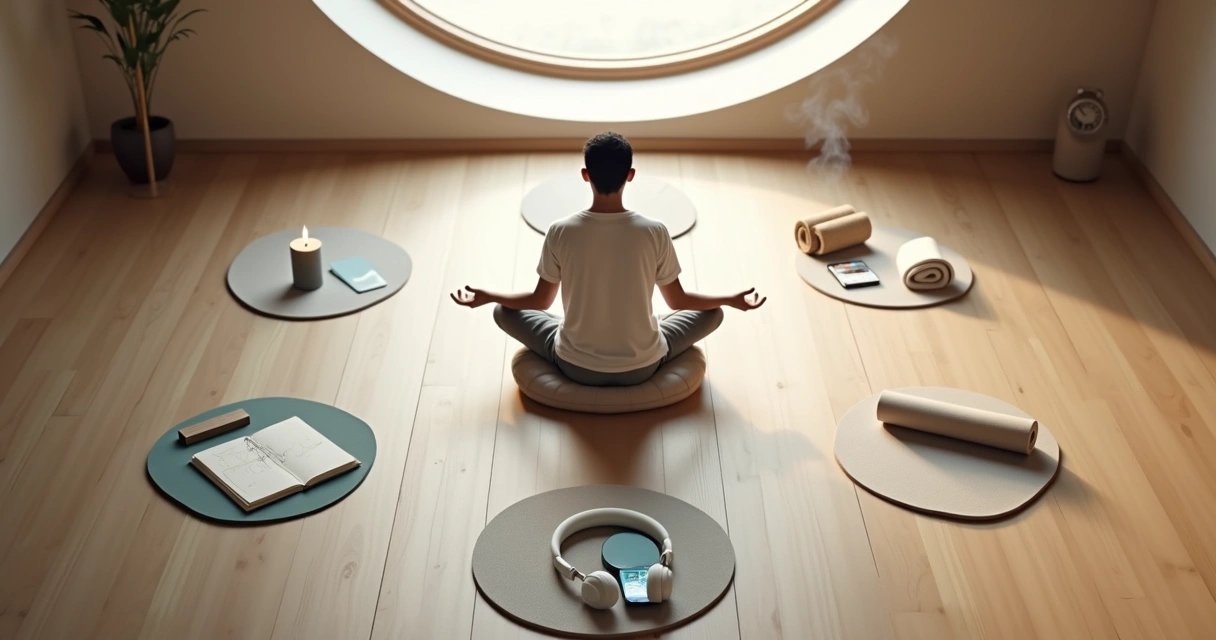

We have all been there: voices get louder, faces tighten, and suddenly, it feels like the real problem is lost behind a wall of tense feelings. In conflict, emotions can hijack clear thinking, and our reactions may spiral far from our better intentions. But there is a tool within our reach that can gently halt this cycle—breathwork.
Why breathwork matters in heated moments
Conflict can trigger a storm in both body and mind. When our emotions flare, the body reacts as if under threat—heart rate rises, muscles tense, and breathing becomes shallow. This “fight or flight” state can make even simple communication difficult, as our brains shift from reason to reflex.
Breathwork is a mindful way to reset the body and bring the mind back into balance, so we can respond rather than react. We find that by focusing on the breath, we send calming signals to the nervous system. This opens a gap between automatic reaction and conscious choice.
In conflict, the breath is an anchor to the present moment.
How breathwork aids emotional regulation
Emotional regulation is the skill of noticing, naming, and shifting our feelings. Many of us were never taught how to do this in real time, especially in high-stress situations like conflict. Through our experience, breathwork is a practical bridge between emotion and reason.
- It slows rapid heartbeats and quiets racing thoughts.
- It brings attention away from external chaos to an internal point of calm.
- It helps us pause, observe emotions without judgment, and choose a new response.
The beauty of breathwork is that it requires no tools, privacy, or even much time—just intention.
Types of breathwork for conflict situations
We have practiced and recommended several breathing techniques that work quickly in moments of distress. Here are a few of the most effective options:
- Box breathing: Inhale for a count of four, hold your breath for a count of four, exhale for a count of four, and hold again for four before repeating. This structured pattern quiets the mind.
- 4-7-8 breathing: Inhale through the nose for four counts, hold the breath for seven, then exhale slowly for eight counts. This longer exhale triggers a relaxation response.
- Extended exhale breathing: Inhale deeply and then make your exhale longer than your inhale. For example, breathe in for four counts, out for six or eight.
- Resonance breathing: Breathe in for five seconds, out for five seconds, aiming for five to six breaths per minute. This rhythm optimizes heart and brain communication.
While each pattern offers its own benefits, the act of breathing consciously is what matters most.

Using breathwork step by step during conflict
Many people ask how to actually bring breathwork into a heated conversation or argument. We believe that with a little preparation and presence, it can fit naturally into any situation. Here is a practical, stepwise approach:
- Notice the trigger. The very first sign of emotional tension is enough—the urge to interrupt, tightening throat, a rush of anger. Pause.
- Ground your attention. Drop your focus to your breath. You do not need to close your eyes. Feel the air entering and leaving your body.
- Breathe with intention. Choose a breathwork technique that works for you (box, 4-7-8, or extended exhale). Complete three to five cycles; if irritated glances arise, quietly continue. The act matters more than perfection.
- Name your state internally. Silently acknowledge, "I am feeling tense," or, "My breath is shaky." This adds self-awareness.
- Return to the moment. When your breathing slows, listen again or speak with more steadiness and space.
Common challenges and simple solutions
Integrating breathwork during conflict may not always go smoothly at first. Self-critique or old habits can creep in. We have met people who worry that taking a breath in an argument might look strange, or even signal weakness.
Breathe anyway—awkwardness fades with practice, and the benefits far outweigh passing discomfort. Sometimes, we notice that our thoughts are too loud to focus on the breath. In these moments, a gentle hand on the chest or belly as we breathe can help, as it reconnects body and mind.
If in doubt, try “two slow breaths before any response.”
Over time, small moments of breath build into a steadier presence.

The subtle impact: Listening, empathy and next steps
In our experience, the gift of breathwork is not only for the one who practices it. Others present may also begin to slow down, matching the calmer atmosphere.
Breathwork nudges us toward deeper listening. When the breath calms, space opens for empathy—for seeing the other person not as an enemy, but as someone with valid experience and feelings. This does not mean losing our position or needs. Instead, it makes it possible to pursue resolution with calm words and steady actions.
This is how conflicts begin to transform from power struggles into conversations that heal, repair, and move forward.
Conflict transformed by breath becomes a moment of growth, not just a problem to end.
Breathwork in daily life and beyond conflict
We encourage breathing practices not only at the peak of disagreeements, but also as a daily habit. The nervous system enjoys “practice rounds” during calm periods, which makes the skill more accessible during future challenges.
- Practice one technique for a few minutes each day, even when not upset.
- Before important talks or meetings, take several conscious breaths to set a calmer baseline.
- Use moments like waiting in line or at red lights for a breathwork mini-reset.
Over time, the path from tension to clarity shortens. We begin to meet conflict with curiosity, not just fear.
Conclusion
In moments of conflict, breathwork is not a cure-all, but it is a powerful invitation to pause, regroup, and respond with awareness. In our experience, a single mindful breath can soften reactivity and open the door to real listening, empathy, and connection. By making breathwork part of our approach to conflict, we help create more thoughtful, humane, and solution-focused conversations—inside ourselves, and with those around us.
Frequently asked questions
What is breathwork for emotional reset?
Breathwork for emotional reset is the practice of using conscious breathing patterns to reduce stress and balance emotional responses, especially during tense moments like conflict. This approach helps shift the body and mind from a reactive state to one that is more calm and open to understanding.
How do I use breathwork during conflict?
To use breathwork during conflict, first notice the signal—rising emotion or tension. Ground your focus on the breath, and use a steady pattern such as box or 4-7-8 breathing. Repeat the cycle for several rounds. Internally name your feeling as you breathe, and return to the conversation with a steadier mind.
Does breathwork really help with emotions?
Yes, research and direct experience show that breathwork helps regulate emotional responses. By calming the nervous system, breathwork makes it easier to pause and respond thoughtfully instead of reacting impulsively.
How long should I practice breathwork?
A few conscious breaths can make a difference in the moment, but most techniques suggest three to five full cycles, or about one to five minutes. Practicing daily, even outside of conflict, also increases the benefit.
Are there risks to doing breathwork?
For most people, breathwork techniques are safe when done gently. If you experience dizziness, lightheadedness, or discomfort, stop and return to normal breathing. Those with certain health conditions should consult a healthcare professional before starting intensive practices.