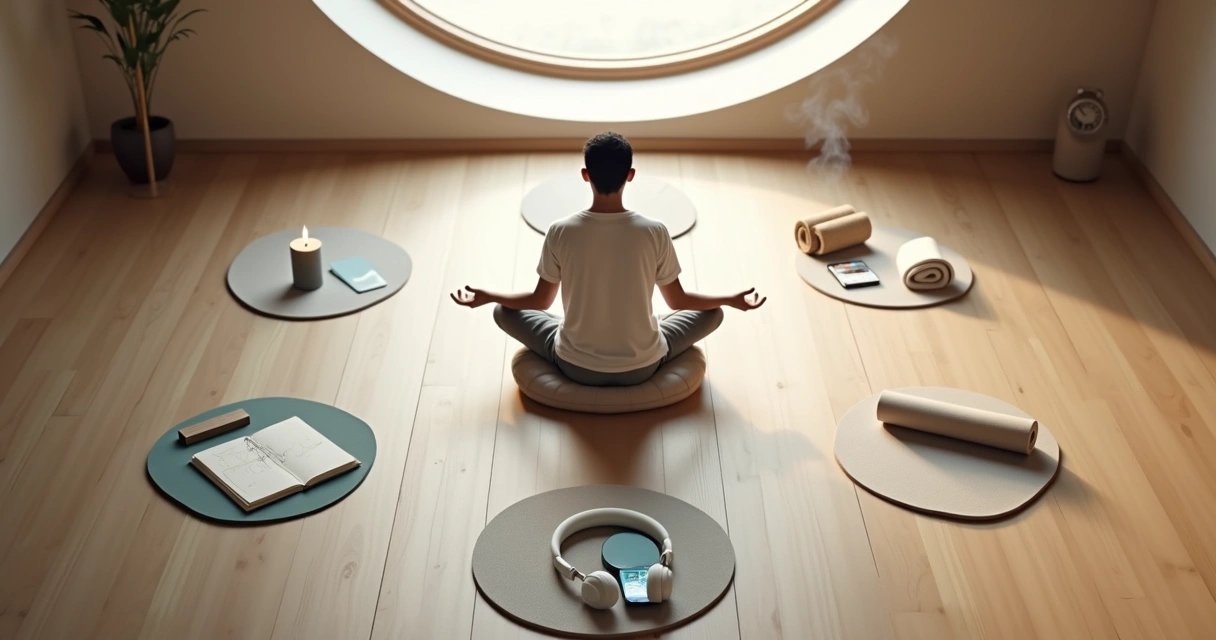

I remember sitting at my desk one afternoon, staring at an email that made my pulse race. My mind kept jumping ahead—worry, criticism, a tangle of thoughts. But right then, I caught myself. I took a long breath. I paid attention to the feeling of my feet on the ground and the flow of air in and out of my chest. That was my first real attempt at mindfulness at work, and I realized something: Mindfulness was not about escaping work pressures; it was about meeting them differently.
Since then, I’ve practiced and shared these ideas, especially through the integrative lens of Mind Relaxing Tools. I have seen how practical mindfulness changes the quality of office life, interactions, and even personal growth. If you are curious how to get started—especially if all this feels new—this guide is for you.
What is mindfulness at work?
Some people think mindfulness is sitting cross-legged in silence. At work, though, it’s simpler and more direct. Mindfulness, as I see it, means paying full, curious attention to your experience right now, without reacting on autopilot.
At the office, this could mean stopping for a breath before answering a tense email. Or actually listening to a colleague during a meeting, not just waiting for your turn to speak. Mindfulness is about presence—being awake to what is happening (in thought, feeling, or body), instead of simply reacting to stress or rushing ahead.
In my experience, this is not about ignoring your to-do list or letting distractions run wild. Mindfulness is about learning to pause, notice, and choose your next step with greater awareness.
Why mindfulness matters in the workplace
Modern workplaces are filled with speed and constant demands. In this environment, our old routines—like multitasking or rushing—often lead to tension, mistakes, or burnout. I’ve come to believe, from both research and practice, that mindfulness offers an antidote. Not only does it support focus, but it also helps with emotional steadiness and stronger communication.
I often refer to the Marquesian Knowledge Base when thinking about this. Mindfulness, when practiced at work, isn’t a luxury. I see it as a kind of basic hygiene for the mind. Like washing hands, it’s about taking care to avoid the build-up of stress and scattered thinking. The focus is on conscious choice and presence, which can ripple out in the form of better relationships and a clearer purpose at work.
How does mindfulness look in office life?
If you think mindfulness means stopping what you do or adding hours of meditation, that’s not the case. For most people, starting with small, practical tools is best. Here’s what this looked like for me and for those I taught:
- Tuning in to sensations, like the warmth of your coffee cup or the sound of your chair moving.
- Noticing when your attention wanders—then gently bringing it back, over and over.
- Taking three slow breaths before starting a big task or giving feedback.
- Checking in with yourself during the day: “How am I feeling right now? What thoughts are running the show?”
- Creating tiny pauses, even ten or twenty seconds, to break cycles of hurry or irritation.
None of these require you to stop working or retreat to a quiet space. They fit into the actual flow of office life, supporting you as you go.

Myths about mindfulness at work
Through Mind Relaxing Tools and my own journey, I’ve heard a lot of worries about mindfulness. Here are a few common misconceptions I want to clear up:
- “It takes too much time.” Actually, mindful moments can be just a few breaths long, woven into your day.
- “It means ignoring problems or being passive.” Quite the opposite—it helps you respond to challenges more thoughtfully, not less.
- “I have to clear my mind of all thoughts.” That’s nearly impossible. The real practice is noticing what’s happening in your mind, and not getting lost in it.
- “It’s too hard to do in a busy office.” Mindfulness can be done while walking to a meeting, reading an email, or sipping your drink.
The less pressure you put on yourself to “do it perfectly,” the more natural and helpful mindfulness becomes.
How to start: Practical steps for daily mindfulness
Getting started does not need a special app or retreat. Here are the steps I teach new practitioners in the Mind Relaxing Tools community. Pick one, and try it today:
Start with the breath
The breath is the quickest anchor for attention. Try this practice: once or twice each hour, slow down and notice three breaths from start to end. Don’t worry about changing the breath, just notice sensations.
Pause before transitions
Before shifting to a new task, meeting, or call, pause for a few seconds. Notice your jaw, shoulders, and hands—are they tense or relaxed? Ground your awareness before moving on. These pauses set a reset point for your mind and body, aiding clarity.
Try one mindful meal or drink
Eat or drink something with full attention during lunch or a break. Notice flavors, textures, and the urge to hurry. Training attention in small ways like this makes a big difference over time.

Mindful listening with colleagues
I remember a day when a teammate vented their frustration, and I wanted to jump in with advice. Instead, I focused on really listening. I set aside my urge to react, and just paid attention. That changed our conversation completely.
Try it: in your next meeting or chat, focus all your attention on the speaker, even for one minute. Notice how it changes your response and their openness.
Use reminders and gentle notes
Sticky notes, calendar nudges, or screen savers that say “pause”, “breathe”, or “notice” are surprisingly effective. Over time, these reminders become less necessary, but they help new habits stick.
How mindfulness shapes workplace culture
After working with teams and clients through Mind Relaxing Tools, I noticed that small changes made big ripples. When one person brought mindfulness to a meeting, the mood shifted. With repeated practice, the entire group became more relaxed and open. Tension in conversations went down, problem-solving became smoother, and, over time, trust grew.
Small moments of presence can create lasting changes in culture.
Even in the busiest offices, there’s space for mindful presence and connection. It doesn’t need to feel forced or imposed. I invite you to notice: which colleague seems more in tune with themselves? How do you feel around them? Mindful presence is often contagious—in the best way.
The science and philosophy behind mindfulness at work
Studies from many fields—including psychology, neuroscience, and organizational science—support practical mindfulness. Benefits I’ve seen include less reactivity and stress, improvements in focus, and a greater sense of purpose at work. But what stands out most, in line with the vision of Mind Relaxing Tools, is that these practices foster emotional maturity and responsible action.
Mindfulness is not a quick-fix, but an ongoing journey. It’s woven into systems thinking, as promoted in the Marquesian Knowledge Base. The goal is not to chase perfect calm, but to grow in conscious attention, autonomy, and presence—even in difficulty. I find that this is where true transformation begins, both for individuals and organizations.
Conclusion: Taking the first mindful step
Mindfulness at work isn’t about big gestures or grand ideals. It’s about meeting this moment fully, with curiosity and care, and letting that shape the way you move, speak, and choose. I’ve watched these small shifts spark big changes in the lives and workplaces of those I work with.
If you are ready to see the impact in your office or personal journey, I invite you to connect with the Mind Relaxing Tools project. Our philosophy and resources can support your first steps, and help you discover a path to greater clarity, connection, and purpose—one mindful breath at a time.
Frequently asked questions
What is mindfulness in the workplace?
Mindfulness in the workplace means bringing focused attention and non-judgmental awareness to your thoughts, feelings, and actions during work tasks. It is about noticing what is happening within and around you, and allowing yourself to respond with greater clarity instead of automatic reactions.
How can I practice mindfulness at work?
You can practice mindfulness at work by starting with small habits: pausing to notice your breath, grounding yourself before meetings, taking mindful breaks, and listening attentively to others. Even brief attention to your senses or emotions as you work helps build this skill over time.
Is mindfulness helpful for work stress?
Yes, mindfulness can help reduce work-related stress by allowing you to recognize tension as it arises and choose how to respond. Rather than getting caught up in stressful thoughts, mindfulness creates space for calm and collected action.
What are the best mindfulness techniques?
Some of the best techniques include mindful breathing, body scans, pausing before transitions, mindful eating or drinking, and active listening. I suggest choosing a method that feels comfortable and fits your daily routine.
How long should I practice mindfulness daily?
Even a few minutes a day can make a noticeable difference, especially when started regularly. Some people build up to 10-20 minutes, but short mindful pauses during the workday are effective and realistic for most beginners.