

Most of us have felt, somewhere deep inside, the presence of inherited family patterns. Sometimes these show up as beliefs, emotions, or behaviors that don’t fully make sense—at least not in the context of our own lives. In our experience, this is rarely random. Generational dynamics shape who we are, often in silent yet powerful ways.
What is systemic family mapping?
Systemic family mapping is a structured approach to visualize and understand how our family system affects us across generations. It includes mapping relationships, events, and emotional legacies that can shape our choices, health, and sense of self. Family mapping is built on the view that families are systems—one person’s experience echoes through others, sometimes for decades.
When we engage in this process, we don’t just look at a family tree. We reveal invisible connections: secrets, griefs, loyalties, unresolved conflicts, and repeating dramas. This allows us to step back from personal guilt or blame, instead seeing ourselves within a much broader context.
Patterns run deeper than individual willpower.
Why do generational patterns persist?
We have seen how families tend to repeat certain behaviors out of unconscious loyalty, love, or unfinished emotional business. This might sound abstract at first. Imagine a scenario where financial struggle, for instance, runs in a family for three or four generations. Alternatively, unresolved grief, trauma, or absence of a parent are often carried forward as if passed from hand to hand.
- Inherited beliefs (“In our family, we never...”)
- Unspoken traumas (losses, addictions)
- Patterns of exclusion or silence
- Repeated relationship challenges
These patterns are maintained by unspoken rules, suppressed memories, and even the ways families talk—or don’t talk—about their own past. In mapping those interconnected experiences, we invite awareness and the possibility of change.
Core techniques for systemic family mapping
Our work in this field has shown us that systemic family mapping uses a series of structured techniques that help reveal hidden dynamics and support personal healing. Here are some of the most effective and accessible:
1. The genogram: Your family system at a glance
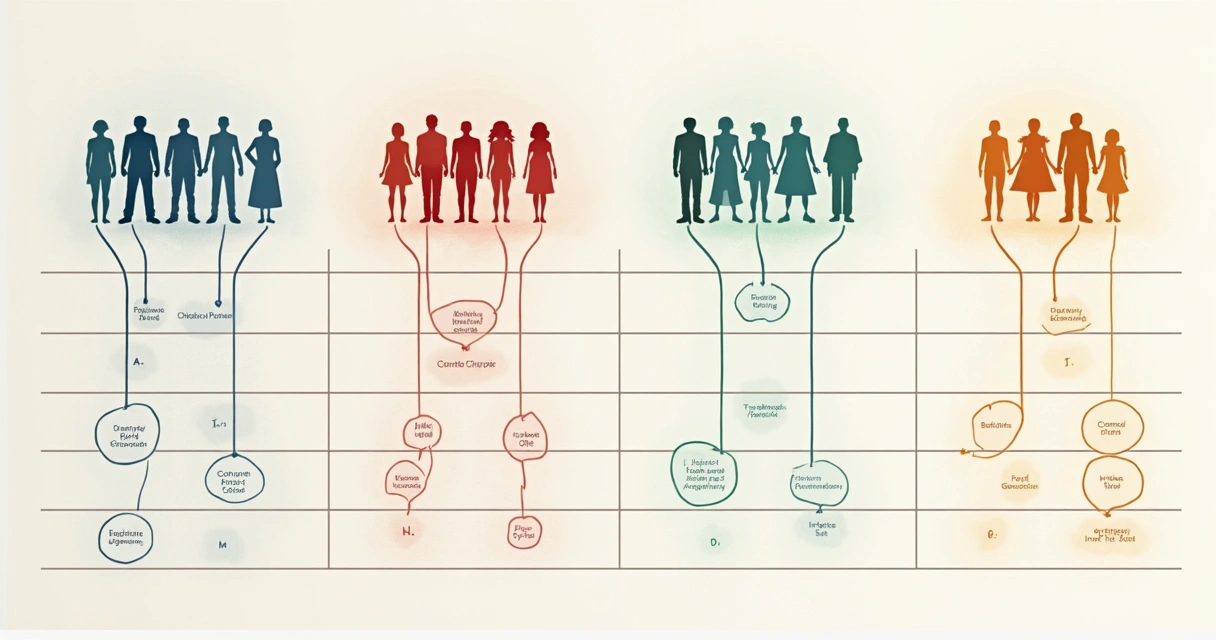
A genogram expands the family tree to include emotional relationships, key events, illnesses, and shared patterns. It becomes a living diagram of more than just birthdays and dates. We map:
- Marriages, divorces, adoptions
- Major life events (loss, migration, trauma)
- Patterns in health, career, or behavior
- Quality of relationships—conflicts, alliances, cutoffs
These symbols and lines bring buried stories to the surface. Creating a genogram often triggers both “aha!” moments and deep emotions. In our experience, it’s not unusual for someone to see a pattern they never realized was influencing them.
2. Mapping systemic roles and dynamics
Each member of a family system plays roles, sometimes assigned unconsciously—such as the caretaker, the scapegoat, the invisible one. Mapping these roles visually helps each person see how they may be repeating a family survival strategy instead of acting from true intention.
We encourage open discussions about patterns of protection, avoidance, or blame. As we chart these dynamics, we find freedom to choose new responses and create healing space where there may once have been only frustration.
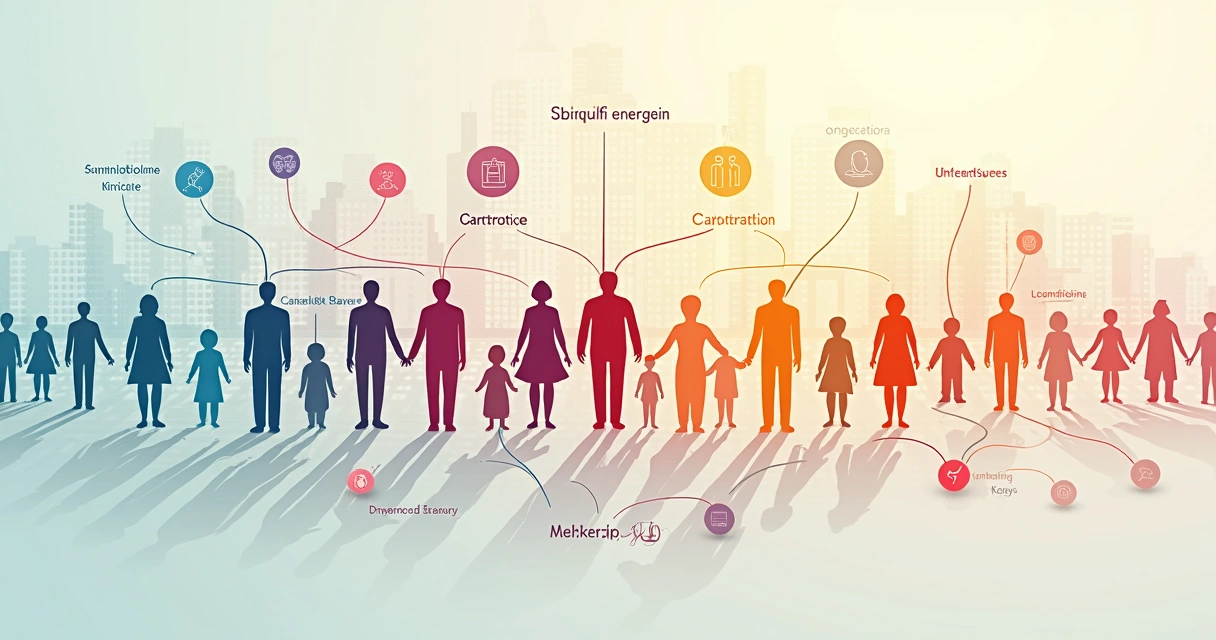
3. Identifying and representing energetic bonds
Not all connections are seen with the eye. We sometimes ask: Where do you feel tied to the burdens or wishes of your ancestors? Are there silent expectations or emotional weights?
Techniques include drawing lines for strong emotional bonds, dashed for weak ties, and shaded areas for unresolved issues. These visuals help us acknowledge invisible threads, making it easier to consciously release those that no longer serve current life.
4. Timeline mapping for significant family events
A timeline helps us see how pivotal moments—wars, migrations, bankruptcies, sudden deaths—may shape present attitudes and emotional climates. We annotate significant dates and ask:
- What happened at key turning points?
- How did these events affect the whole family system?
- Are behaviors or beliefs linked to these moments?
5. The healing sentence technique
The healing sentence is a spoken acknowledgement voiced to one’s ancestors, naming what has been carried and what can now be released. Sometimes, a simple phrase—“What happened to you lives on in me. I see it, and I honor your fate.”—acts as a turning point. The process is respectful, gentle, and deeply impactful.
How systemic mapping supports generational healing
Systemic mapping is not about finding fault; it is about understanding. With this awareness, we create the possibility of breaking cycles, releasing inherited pain, and integrating the gifts our ancestors handed down. In our research and practice, individuals report benefits such as:
- Relief from unexplained emotional heaviness
- Greater compassion for self and relatives
- Freedom from patterns that ‘did not start with us’
- Stronger sense of purpose, clarity, and belonging
As we come to see ourselves as the living outcome of many stories, we recognize the agency we have. We gain tools to transform repeating dramas into new choices, and honor our family without being limited by it.
When is systemic family mapping helpful?
Anyone struggling with “stuck” dynamics, repeating conflicts, or inherited pain often finds value in this process. It is effective alone, as a couple, or as a family. People facing transitions—parenthood, loss, aging, or new relationships—often rediscover freedom as buried loyalties come to light.
It is especially meaningful for those hoping to:
- Understand recurring emotional or relational challenges
- Find resolution around family secrets or early losses
- Avoid passing unresolved patterns to children
Generational healing begins with a single step—seeing what has always been there.
Conclusion
We believe systemic family mapping is more than drawing lines and names—it’s a process of seeing, feeling, and choosing. By understanding our family patterns, we access new levels of kindness, agency, and wholeness. We don’t erase the past; we heal our relationship with it.
When we map our family stories with respect and clarity, we give ourselves—and future generations—the freedom to live with greater lightness and intention.
Frequently asked questions
What is systemic family mapping?
Systemic family mapping is a method that visually represents family relationships, roles, and generational patterns to reveal underlying dynamics and influences. It goes beyond a basic family tree by including emotional bonds, key life events, patterns, and conflicts to help people understand inherited behaviors and choices.
How does family mapping heal generations?
Family mapping makes invisible patterns visible, allowing for recognition, compassion, and change. By acknowledging what has been passed on—unspoken beliefs, grieving, unfinished business—we can release burdens and choose healthier paths, interrupting cycles that might otherwise continue into the next generation.
Who should try systemic family mapping?
Anyone who feels affected by generational issues, repeating emotional struggles, family secrets, or unresolved grief may benefit from family mapping. It helps individuals, couples, or entire families seeking insight and healing from inherited patterns.
How is family mapping different from therapy?
Family mapping is a tool or process that often complements therapy but is not therapy itself. It focuses on visualizing connections and patterns in the family system. Therapy may use family mapping as part of its process, but therapy usually explores feelings and provides personal guidance over time.
Where can I learn family mapping techniques?
Many books, workshops, and trainings offer guidance in family mapping practices. Some professionals in psychology, counseling, or systemic coaching use these methods and can guide individuals through the process. Online resources and self-help books also provide step-by-step instructions for personal use.