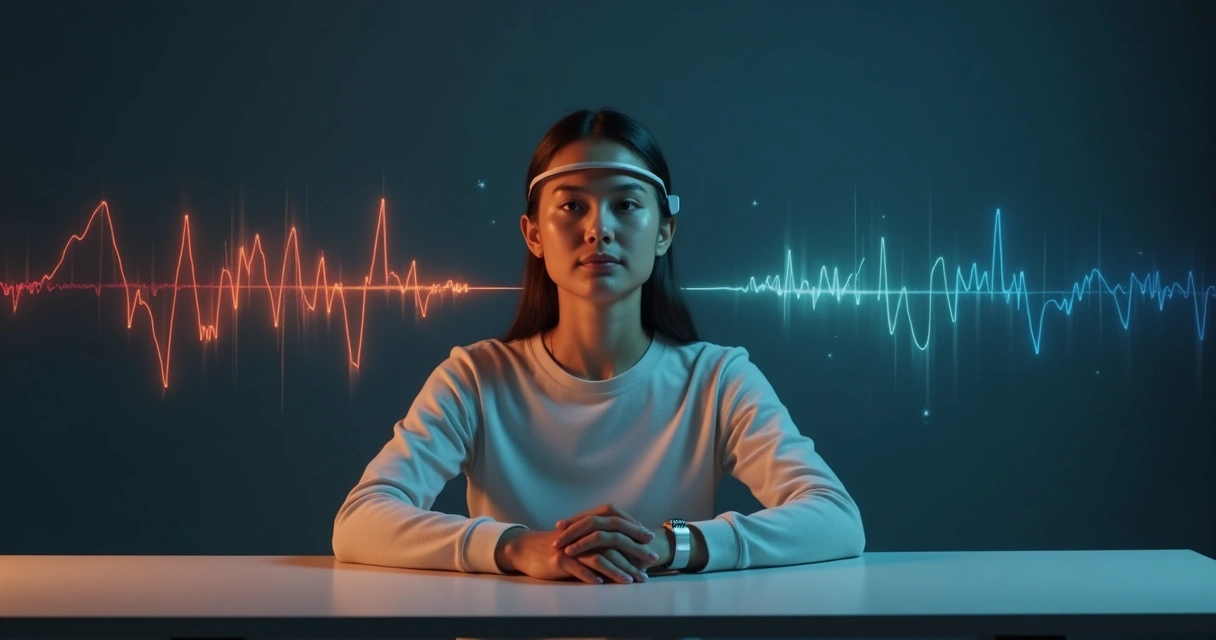
Our daily lives are shaped by the rhythms of stress and focus. Each person’s body tells a unique story in how these cycles arise and fade. Yet, most of us only notice these shifts when they reach a level that can’t be ignored—a pounding heart before a meeting, a wandering mind in a quiet room. What if we could witness these invisible tides as they flow? Biofeedback offers us a window into those unseen processes, teaching us more about ourselves than we might expect.
Understanding the basics: What is biofeedback?
Biofeedback is a technique that helps us become aware of our body's physiological signals—things like heart rate, muscle tension, skin temperature, and breathing patterns. Using electronic sensors and visual or audio feedback, we get real-time information about what is happening inside our system. The core idea is simple:
If we can see it, we can learn to change it.
In our experience, biofeedback brings the hidden world of autonomic nervous system functions into conscious awareness, offering clear data to guide learning and self-regulation. It stands apart by being objective—removing guesswork and letting us observe how body and mind respond to the world around us.
What stress really looks like inside the body
When stress arises, the body shifts gears. The sympathetic nervous system activates, leading to measurable changes: heart rate rises, muscles tense, sweat glands activate, and breathing accelerates. Often, these responses are automatic and run beneath our notice—until biofeedback reveals them on a screen in front of us.
- Heart Rate Variability (HRV): Natural variations in the time between heartbeats. Lower HRV often signals stress or fatigue.
- Galvanic Skin Response (GSR): Measures the skin’s electrical conductance, which rises with sweating, a sign of stress or excitement.
- Respiratory Rate: The speed of inhalation and exhalation, often quickening with stress.
Research cataloguing biofeedback techniques and interfaces for stress reduction demonstrates that these physiological markers provide a direct map of how the body experiences challenge and recovery (systematic review, 2018).
The biological rhythm of focus
Focus is not simply the absence of distraction. It is an active state, marked by brain and body working together. In our observation, healthy focus has its own physiological fingerprint:
- Steady heart rate with subtle, regular variability
- Even, slow breathing
- Relaxed, stable skin conductance
When attention deepens, brainwaves often shift into patterns associated with calm alertness. Biofeedback allows us to catch this shift in real time, showing how quickly the mind can move from scattered to centered.
Reading your cycles: What biofeedback reveals day to day
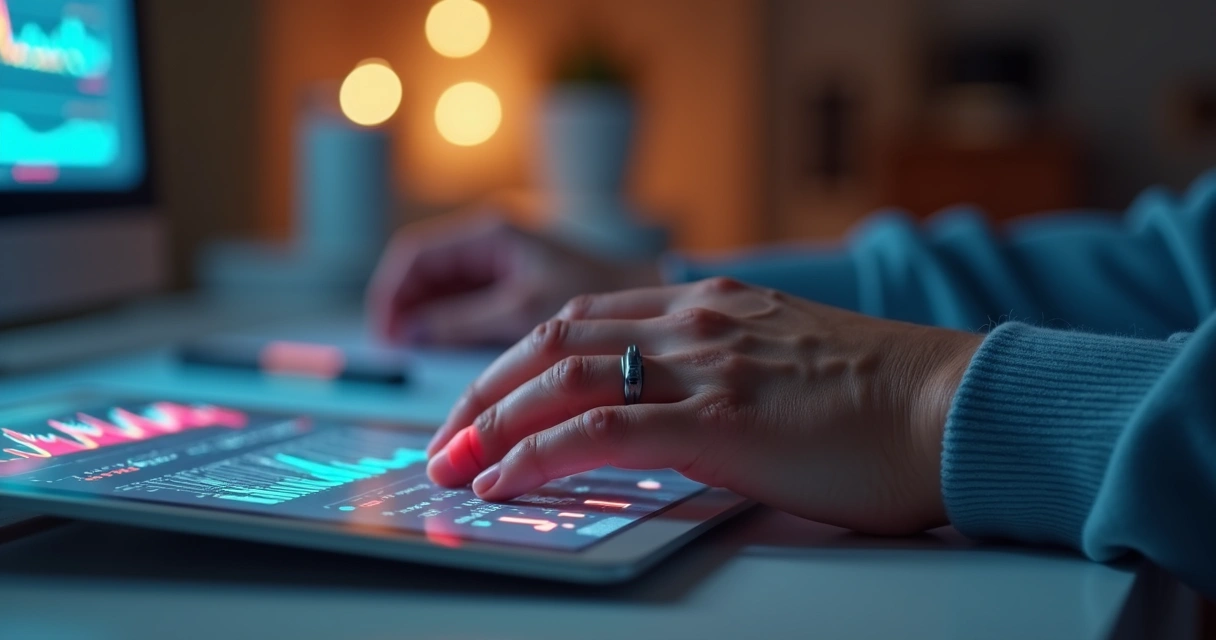
Stress and focus do not travel in straight lines. They come and go, shaped by sleep, work, social life, and even the foods we eat. Biofeedback, used regularly, creates a diary—an objective log of how our nervous system moves through the day. Patterns usually emerge, such as:
- Morning spikes of alertness (sometimes linked with mild anxiety)
- Midday drops in focus, especially after lunch
- Late afternoon tension as deadlines approach
- Recovery cycles in the evening, marked by slower breathing and steadier heart rate
Through this real-time mirror, patterns of stress reactivity and recovery become visible—sometimes for the first time.
In a 2019 study, participants using an app-based relaxed-breathing intervention achieved increased heart rate variability (HRV) during recovery from induced stress versus those ruminating or in control groups. This suggests that seeing and acting on one’s physiological cycles can support deeper recovery and lower cardiovascular risk factors (randomized pilot, 2019).
Biofeedback and the cycle of stress recovery
We have seen how stress often rises quickly but falls more slowly. This “recovery gap” can leave a residue—lingering muscle tension or scattered thinking long after the trigger is gone.
With biofeedback, we notice that stress recovery has distinct phases:
- Immediate after-effect: physiological arousal is highest right after a stressor (elevated heart rate, fast breathing)
- Active recovery: when guided relaxation or paced breathing begins, measurable variables slowly shift toward baseline
- Full recovery: as parasympathetic activity increases, HRV climbs, muscle tension releases, and calm returns
In our experience, biofeedback not only reveals these phases—it empowers people to act at the right moment. For example, when you can see high arousal levels onscreen, initiating paced breathing or guided relaxation becomes more targeted.
Focus cycles and mind wandering
Periods of deep focus alternate with moments of distraction—a process often unnoticed. But biofeedback can capture even slight lapses. A 2019 study comparing virtual-nature and standard heart rate variability biofeedback showed that immersive feedback helped buffer perceived stress and reduced mind wandering, while also improving relaxation self-efficacy (randomized study, 2019).
Seeing real-time drops in coherence or HRV can prompt us to reset attention before stress and fatigue compound.
This immediate awareness is often described by users as “catching themselves” before old habits take over.

What biofeedback teaches about sustainable balance
With consistent practice, biofeedback reveals that stress and focus are not enemies but partners. Each cycle has its place—to rally the system for action, and to restore it to balance.
Sustainable health comes from learning our own rhythms and supporting recovery, not pushing through at every cost.
We have seen people grow in self-knowledge, learning which habits enhance their cycles and which disrupt their balance. Over time, this fosters:
- Greater self-regulation of stress—acting sooner, recovering quicker
- More sustained, gentle focus, interrupted by purposeful periods of rest
- A clearer sense of personal limits and opportunities for growth
The lessons from biofeedback go beyond the screen: they foster autonomy, insight, and the foundation for true well-being.
Conclusion: The value of seeing to guide doing
Relying on internal guesses about stress and focus leaves us in a reactive state. By making the invisible visible, biofeedback helps us move from autopilot to conscious choice. The rhythms it uncovers are not to be fixed, but understood—guiding us toward practical, sustainable changes in how we meet each moment.
We think of biofeedback as less a remedy and more a teacher. It reminds us, every day, that awareness is the first step to transformation.
Frequently asked questions
What is biofeedback for stress monitoring?
Biofeedback for stress monitoring involves using sensors to observe physiological changes—such as heart rate, breathing, muscle tension, or skin conductance—and providing feedback in real time to help manage those responses. These tools let us see how our bodies respond to stressors, allowing for earlier and more conscious intervention.
How does biofeedback measure focus cycles?
Biofeedback measures focus cycles by tracking changes in heart rate variability, muscle tension, respiration, and, in some systems, brain activity. When focus deepens, patterns become more stable and coherent; when attention drifts or stress surges, the feedback shows clear changes in these physiological signals.
Can biofeedback help reduce stress?
Yes, biofeedback can help reduce stress by increasing awareness of physical responses and teaching self-regulation skills. Studies have shown that biofeedback-assisted breathing and relaxation techniques can support faster physiological recovery from stress and help lower cardiovascular risk.
Is biofeedback training worth it?
For many people, biofeedback training is worth it when they want to understand and guide their stress and focus cycles better. It helps build long-term awareness and coping strategies. The value will depend on personal goals and the willingness to use feedback tools consistently.
How accurate are biofeedback stress readings?
Biofeedback tools are generally accurate for measuring physical signals like heart rate, skin conductance, and breathing. However, the accuracy depends on the sensors used and adherence to proper techniques. While they do not diagnose medical conditions, they offer reliable markers for personal stress cycles and daily recovery patterns.