

Time is a curious thing. Sometimes it flies, sometimes it crawls. Most of us have felt, at least once, that a joyful hour passes in an instant, while a stressful minute feels almost endless. What shapes this strange flexibility? The answer is found in the interaction between our perception of time and the way we handle our emotions during daily life.
Why time feels so different for everyone
Time perception is not the ticking of a clock, but our felt sense of how long something lasts. This sense shifts constantly, depending on mood, thoughts, and bodily sensations. We have all noticed that waiting at the doctor’s office takes forever when we are nervous, but an hour chatting with a close friend seems to vanish.
Researchers have shown that the brain does not count seconds like a stopwatch. Instead, it gathers sensory, cognitive, and emotional information, and “builds” a story about how long an event has lasted. This story is influenced by our current state, our attention, and even by memories of previous experiences.
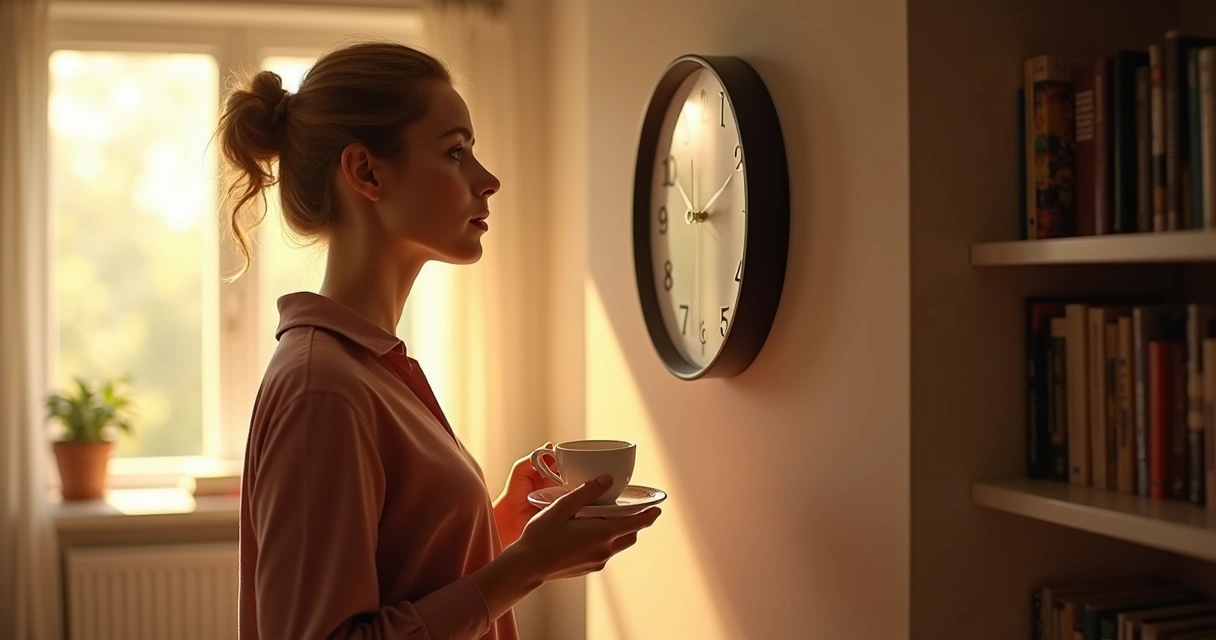
Our internal time can speed up or slow down in response to emotions or shifts in focus. When we are relaxed, our attention wanders, making us less aware of each second. When we are tense or alert, our minds mark every moment, stretching events in our experience.
Emotions: the invisible hands on our internal clock
Our emotional state influences our sense of time deeply. Studies, including a Duke University study, have shown that intense emotions—especially anxiety, excitement, or fear—make us prone to overestimating how much time has passed. When emotions are heightened, our senses are on high alert, and even a short wait can feel drawn-out.
A meta‑analysis in Psychonomic Bulletin & Review also confirms that negative emotions, paired with strong arousal, are closely linked to temporal overestimation. In simple terms, the stronger the emotion and its arousal, the more likely we are to feel that time is dragging.
On a daily basis, this effect can shape our emotional regulation. For example, a stressful work call may stretch the clock, making impatience or irritability grow stronger as the perceived duration increases. We may even recall unpleasant events as longer than they were, which adds to emotional fatigue.
- High arousal (panic, excitement): Time seems longer, moments are filled with details.
- Low arousal (boredom, calm): Time seems slower but feels emptier, sometimes passing unnoticed until we look back.
- Positive feelings: Happy moments feel fleeting, and our memory compresses them.
- Negative feelings: Sad or anxious moments are exaggerated in memory and perception.
Therefore, the way we feel directly changes our experience of time, while our experience of time, in turn, shapes how we feel.
Attention, memory, and how we judge time
How closely we pay attention to a moment also changes our sense of duration. Have you ever gotten lost in a task, only to realize hours have passed? Or watched the clock during a tedious meeting, feeling every minute tick slowly? If we focus intensely on time itself, the experience often seems longer, while distraction makes it seem shorter.
Memory mixes into this as well. When we later recall an event, pieces are missing or highlighted according to their emotional importance. Moments filled with emotional or sensory experiences may feel longer upon reflection. This is why an emotionally charged day seems so full and long, while a neutral day can blur by.
We see clear examples of this in childhood. Summer vacations, filled with excitement and newness, stand out in memory as long and rich. Routine-filled adult days pass by with less notice, feeling short in comparison.

The effect of time perception on daily emotional regulation
When we feel in control of our time, we tend to feel calmer and more balanced emotionally. But when we perceive time slipping away or dragging on—often due to stress, anxiety, or boredom—emotion regulation becomes much harder.
Some practical situations where this happens include:
- Rushing to meet a deadline. The pressure exaggerates each second, increasing frustration and hurried mistakes.
- Waiting for an important phone call. Anxiety stretches the wait, making impatience and doubt grow.
- Savoring a meal with a loved one. Pleasant conversation seems short, while the memory of contentment extends far longer than the actual time spent.
- Practicing meditation or mindfulness. By focusing on the present, we alter our time perception, which often decreases emotional reactivity.
We believe that small changes in how we manage attention, expectation, and memory can adjust both our experience of time and our emotional stability.
Can we change our sense of time?
While time itself is objective, our perception of it is flexible. We cannot make an hour longer or shorter, but we can definitely influence how we experience it. Building this flexibility often brings greater self-awareness, which is key to daily emotional balance.
Here are some strategies we have seen work:
- Practice mindful attention. Notice and name emotions as they arise. This helps anchor awareness in the present, softening the rush or drag of time.
- Create clear routines. Predictability can reduce the emotional charge of uncertainty and slow the sense of time slipping away.
- Reflect gently. At the end of a day, noticing which moments felt stretched or compressed helps us spot emotional triggers.
- Use “time windows.” Break larger tasks into smaller units, which gives fresher perspective and lessens the stress load of long periods.
These methods are not about perfection, but about gaining insight into the link between time perception and emotional well-being.
The role of body and environment
It is not only our minds that influence time perception. Physical states—like hunger, fatigue, or even medication—can warp our experience. Environmental cues, such as noise and lighting, also play a role. For instance, noisy, hectic settings can speed up or slow down perceived time depending on whether the stimulation is pleasant or overwhelming.
Small adjustments in environment or daily rhythm can have a measurable impact on perceived duration and resilience to emotional swings. These tweaks might include a walk outside, lower lighting, or even stepping away from screens for brief periods.
Conclusion
We often think of time as something solid, but our experience of it is as fluid as our emotions. By becoming aware that feelings shape our perception of time—and that this relationship works both ways—we have the chance to build better habits for emotional health and daily satisfaction.
Our perceptions shape our days. Our days shape our lives.
Through mindful attention to the present, small rituals, and gentle self-reflection, we can start to shift our relationship to time. In doing so, we give ourselves a little more space to breathe, feel, and grow.
Frequently asked questions
What is time perception?
Time perception is our internal sense of how much time passes during an event or activity, shaped by attention, emotion, and bodily states. It does not match clock time, but is how our mind “feels” and interprets the flow of seconds and minutes.
How does time perception affect emotions?
Time perception and emotions have a close two-way relationship. When we feel anxious or excited, time seems to drag, making unpleasant emotions last longer. Feeling relaxed can make time pass quickly, sometimes leading to a sense of loss or nostalgia. This interaction affects how well we can regulate moods moment to moment.
Can time perception be improved?
Yes, we can improve the flexibility of our time perception. By bringing more awareness to the present, creating healthy routines, and reflecting on what shapes our sense of duration, we can adapt our response to passing time. Practices like mindfulness and deliberate focus on tasks can make the flow of time less stressful.
Why do emotions change with time?
Emotions naturally rise and fade, but their intensity can feel greater or lesser depending on how we perceive time. Stress, boredom, or excitement changes our internal clock, making emotions feel stronger or weaker according to the pace of experience. This is part of the constant interplay between emotional state and time awareness.
How to regulate emotions using time perception?
We can regulate emotions by adjusting our focus and routines to reshape time perception. Short breaks, focusing on the present, shifting attention, and dividing tasks help prevent emotional overwhelm. Noticing how feelings affect our sense of time, and vice versa, gives us practical ways to soften difficult moments and savor pleasant ones.