Some decisions stay with us for days. We replay the same facts, feel the same fear, and still do not move. In our experience, this usually happens when we are too close to the problem. We are inside the emotion, inside the story, and inside the pressure.
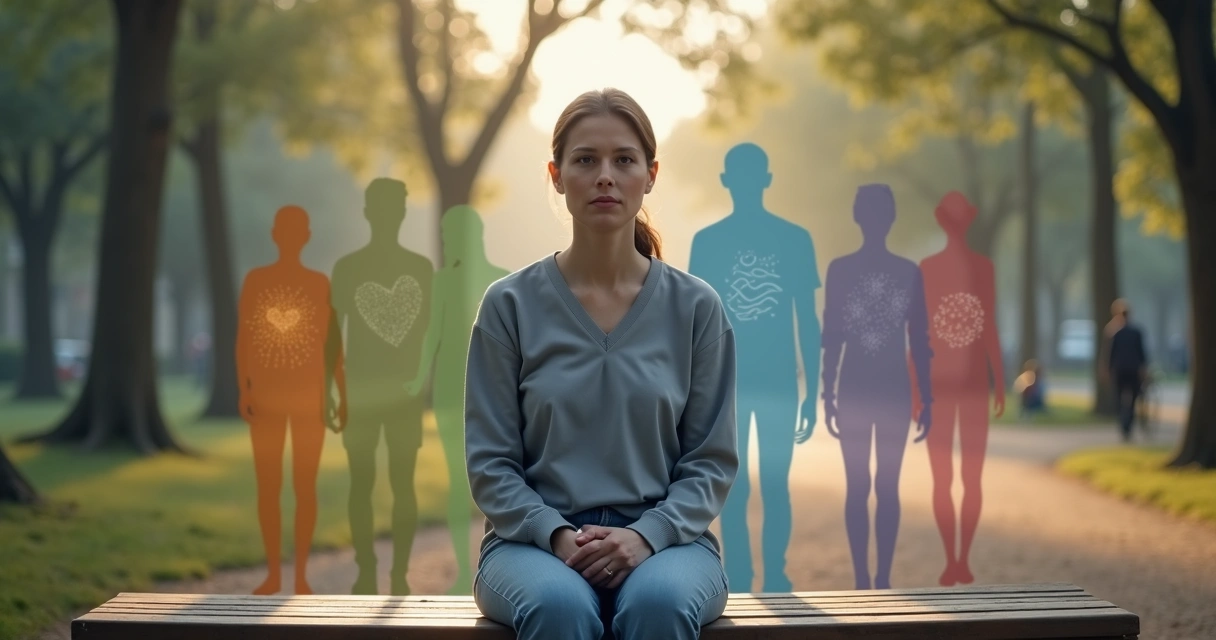
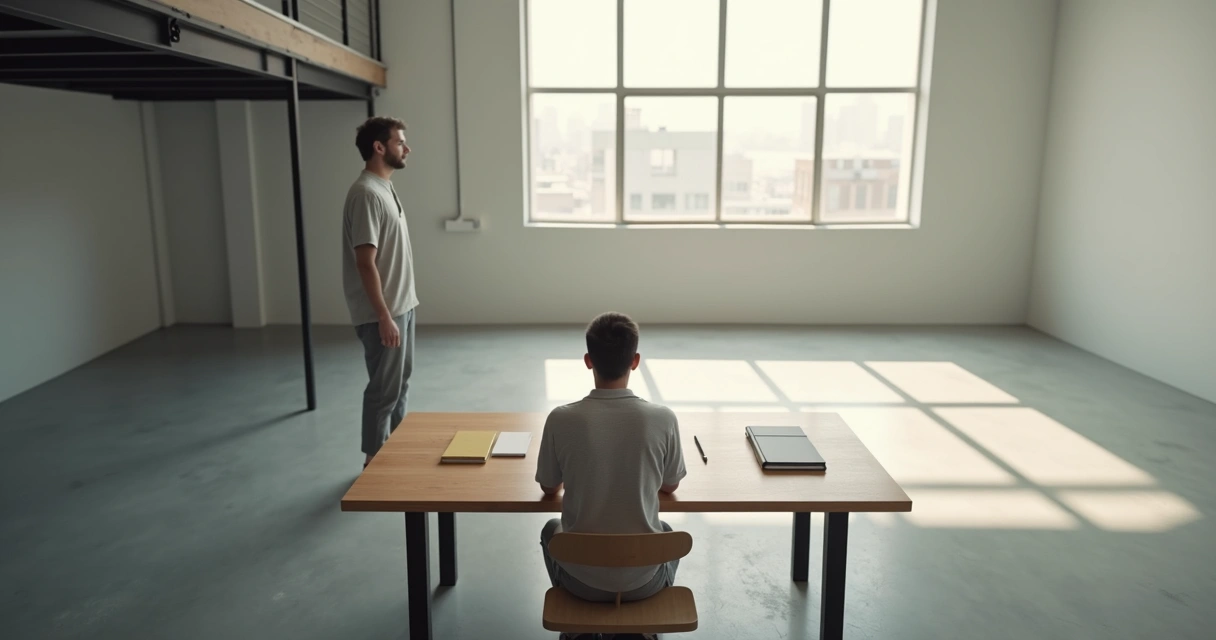
Self-distancing is the practice of stepping back from our immediate emotions so we can see a decision with more clarity.
This does not mean becoming cold or detached from life. It means creating enough mental space to think well. When we do that, we often notice something surprising. The facts did not change, but our reading of them did.
We have seen this in ordinary moments. A person tries to decide whether to leave a job, end a strained friendship, or speak up in a family conflict. At first, every option feels heavy. Then they pause and ask, “What would I say to someone else in this exact situation?” The mind softens. The answer starts to form.
Why distance helps the mind
When we are fully absorbed in a hard choice, our thoughts narrow. We focus on threat, loss, regret, and what others may think. This is a human reaction, but it can distort judgment.
Distance helps us shift from emotional fusion to broader perception.
That broader view matters. Research in experimental work on self-distancing and risky decision tasks found that people using self-distancing judged probabilities with less distortion. They were less likely to exaggerate small risks or dismiss large ones. In simple terms, stepping back helped them read uncertainty more accurately.
This is one reason difficult choices often improve when we stop asking, “What am I feeling right now?” and start asking, “What is actually happening here?” Both questions matter, but they serve different purposes.
Clarity grows with space.
What self-distancing looks like in real life
Self-distancing is not a single method. It is a shift in position. We move from being the center of the storm to becoming an observer of the storm. We are still involved, but we are no longer swallowed by it.
In our view, this can happen through a few simple moves:
Speaking to ourselves by name instead of saying “I” in a moment of stress.
Imagining the problem from the viewpoint of a wise and calm friend.
Projecting ourselves six months into the future and asking what will still matter then.
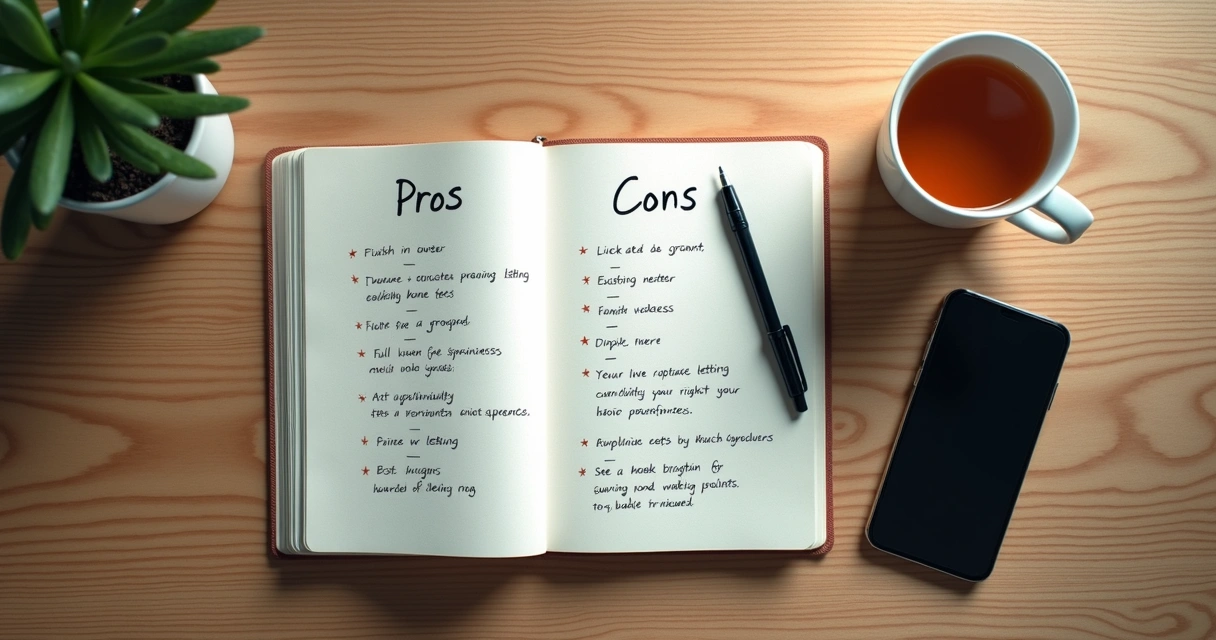
Writing the situation down as if we were describing another person’s life.
These methods sound small. Still, they can create a real break in mental momentum. We stop feeding the loop and start seeing patterns.
One story comes to mind. We once reflected on a case where someone had two good options in front of them, but kept delaying. They feared choosing wrong. After using a future perspective, the question changed. It was no longer “Which option is perfect?” It became “Which option matches who I want to become?” That is a very different decision.
Simple techniques we can practice
We do not need a perfect setting to practice self-distancing. A few minutes can be enough if we are honest and present.
Here is a useful sequence:
Name the decision in one clear sentence. Keep it plain and concrete.
Notice the strongest emotion around it, such as fear, guilt, anger, or hope.
Shift language. Use your own name and ask, “What does this person need to see clearly?”
Take a wider time frame. Ask what will matter in one year, not only this week.
Write one action that respects both truth and consequence.
The goal is not to erase emotion, but to prevent emotion from ruling the whole decision.
This matters because feelings can push risk judgments in opposite directions. According to three preregistered experiments on psychological distancing and risk-taking, emotions such as fear and anger strongly shaped risk choices when distancing was low. When distancing was high, those emotional effects became much weaker. That tells us something practical. A little distance can reduce the pull of emotional bias.
When decisions feel morally heavy
Some choices are not just practical. They touch identity, values, and responsibility. This is where self-distancing becomes even more useful.
We may ask:
Am I protecting comfort, or honoring truth?
Am I reacting to pressure, or responding with intention?
What are the effects of this choice on others over time?
These questions slow us down in a healthy way. They help us separate impulse from direction. In our experience, hard decisions become less confusing when we stop asking only what feels easier and start asking what is coherent.
That word matters. Coherence often brings peace even before the result appears.
Common mistakes to avoid
Not every form of distance is healthy. Some people confuse self-distancing with avoidance. They postpone, numb out, or pretend not to care. That is not clarity. That is withdrawal.
We think it helps to watch for three mistakes:
Using distance to escape feeling instead of understanding it.
Waiting for total certainty before acting.
Treating every emotion as a fact.
Healthy distance brings perspective, while avoidance blocks contact with reality.
The difference is simple. Healthy distance still faces the decision. It just does so with more steadiness.
Conclusion
Difficult decisions test our maturity because they ask for more than preference. They ask for perspective. Self-distancing gives us that perspective by helping us step back, reduce emotional distortion, and see the larger shape of the choice.
We do not become wise by feeling less. We become wiser by relating to our feelings with more space and more honesty. When we can pause, widen the frame, and speak to ourselves with calm clarity, the next step often becomes visible.
Distance can restore direction.
Frequently asked questions
What is self-distancing in decision making?
Self-distancing in decision making is the act of mentally stepping back from our immediate emotions and seeing the situation from a wider point of view. We may do this by using our name in self-talk, imagining an outside observer, or looking at the choice from a future perspective. This helps us judge the decision with more balance.
How can I practice self-distancing?
We can practice self-distancing by pausing before reacting, writing about the issue as if it belonged to someone else, or asking what advice we would give a friend in the same situation. Another useful method is to imagine how we will view the decision months from now. These small shifts create mental space.
Is self-distancing effective for tough choices?
Yes, self-distancing can help with tough choices because it lowers emotional bias and supports clearer thinking. It does not make the choice easy, but it can make our judgment more stable. This is helpful when fear, anger, guilt, or urgency are shaping how we read the options.
When should I use self-distancing?
We can use self-distancing when a decision feels emotionally loaded, when we keep repeating the same thoughts, or when pressure makes it hard to think clearly. It is also useful before hard conversations, major life changes, and choices that involve risk or values.
Can self-distancing reduce decision stress?
Yes, self-distancing can reduce decision stress because it helps us stop fusing with the problem. When we step back, we often feel less mental pressure and more inner order. The stress may not disappear at once, but the decision usually becomes easier to face with calm and structure.