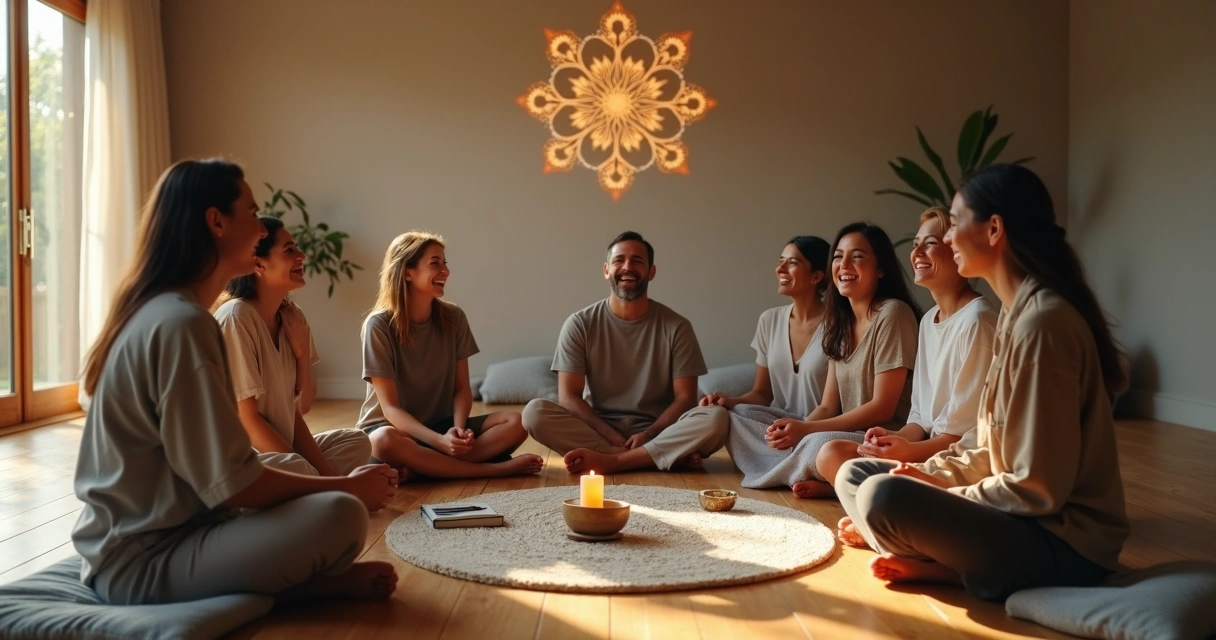

We live in a time that often praises motion. If we pause, we may feel guilty. If we slow down, we may fear we are falling behind. Yet our experience shows that stillness is not always a problem. Sometimes it is the very thing that helps us return to ourselves.
Rest restores us, while stagnation disconnects us from movement, meaning, and response.
The hard part is that both can look similar from the outside. In both cases, we may be quiet, inactive, or withdrawn. We may cancel plans, sit alone, sleep more, or do less. But inside, the quality is different.
We have seen this in ordinary life. A person takes a calm afternoon after intense effort and feels clearer by evening. Another spends the whole weekend in bed and feels heavier on Monday. The action may seem the same. The result is not.
Stillness is not always healing.
What real rest feels like
Real rest has direction, even when it looks passive. It gives the mind and body a chance to settle, process, and renew. After rest, we usually notice at least a small return of clarity, patience, or willingness.
That return may be modest. We do not need to feel transformed. We just need signs that our inner system is recovering rather than shutting down.
In our view, healthy rest often includes these signs:
- A softer mental pace
- Less inner friction
- Better focus after the pause
- A gradual return of interest in life
- More emotional space before reacting
This matches what we see in research too. According to research covered by the University of Sydney, a short, unstructured five minute break after a hard mental task improved attention more than no break. The same report noted that people using nature rest solved about 60% of problems correctly, while those using unstructured rest solved about 53%. That tells us something simple and useful. Brief pauses can help the mind recover.
If stillness helps you return with more presence, it is probably rest.
What stagnation feels like
Stagnation is different. It is not just low activity. It is a loss of inner circulation. We stop, but the stop does not feed us. We remain still, yet we do not feel restored.
Sometimes stagnation begins as valid rest. Then it quietly changes shape. We tell ourselves we need one more day, one more delay, one more excuse not to face a task, a feeling, or a decision.
We may know this feeling well. Hours pass. Nothing is chosen. Nothing is processed. Nothing really settles.
Some common signs of stagnation are:
- Numbness that lasts instead of easing
- Avoidance dressed up as self-care
- More confusion after time off
- Rising guilt with no real recovery
- Loss of contact with purpose or basic routines
Stagnation often protects us from discomfort, but it also keeps us stuck inside it.
This is why two people can spend the same silent hour in very different ways. One uses it to breathe, reflect, and settle. The other uses it to hide from what must be felt or faced.

How to ask the right question
When we try to judge our stillness, the best question is not, “Am I doing enough?” That question usually brings pressure, not insight.
A better question is, “What is this pause doing to me?”
That shift matters. It helps us look at effect instead of appearance. A pause can be quiet and still be good. It can also be quiet and still deepen our disconnection.
We suggest paying attention to three areas:
- Energy. Do we feel a little more alive afterward, or more drained?
- Awareness. Do we notice ourselves more clearly, or less?
- Action. Does the pause support the next step, or delay it again?
If we ask these questions honestly, patterns start to show. We begin to notice that some forms of rest open space inside us, while others simply stretch avoidance over time.
Why guilt confuses the picture
Many people struggle to rest because guilt arrives too fast. We sit down, then a voice says we are wasting time. So we do not rest deeply. We stay half tense, half distracted, and then conclude that rest does not work.
But forced motion is not wisdom. Neither is collapse.
Rest needs permission to work.
We think this is one of the most overlooked parts of recovery. A nervous system under strain does not restore itself well when every quiet minute is judged. In that state, stillness can feel unsafe, and the person may run back to activity just to avoid inner pressure.
At the same time, guilt can also expose stagnation. If the guilt comes not from old pressure but from repeated self-betrayal, we may need to listen. Sometimes discomfort is a sign that rest has already ended and avoidance has taken its place.
Simple ways to test your stillness
We do not need a perfect method. We just need honest observation. A short experiment can tell us a lot.
Try this for a few days:
- Set aside 10 to 20 minutes of quiet rest with no scrolling and no task
- Before the pause, name your state in one sentence
- After the pause, name it again
- Notice whether your body, mood, or thinking shifted
Then compare that with another form of “rest” you often use, such as passive distraction or extended withdrawal. Notice the difference in what follows.
Helpful stillness leaves traces of return, even if they are small.
We also find it useful to look at what happens next. After true rest, there is often one clean action that feels possible. Send the message. Wash the dish. Take the walk. Begin the page. Stagnation tends to make even small actions feel more distant, not less.

When stillness needs support
Not all heaviness is laziness, and not all withdrawal is a choice. At times, long fatigue, grief, burnout, or emotional pain can make it hard to tell what is happening inside. In such moments, stillness may be mixed. Part rest, part shutdown.
We should be gentle here. Harsh judgment rarely brings clarity. A person may need structure, care, conversation, or trained support before rest begins to feel restorative again.
That does not mean something is wrong with stillness itself. It means context matters. The same pause can heal one person and trap another, depending on what is being carried.
Conclusion
Rest and stagnation may look alike, but they move us in different directions. Rest reconnects us with life. Stagnation keeps us suspended from it. The real test is not whether we are active or inactive, but whether our stillness leads to greater presence, clarity, and readiness to respond.
We do not need to fear every pause. We only need to notice what it produces. If our quiet gives back attention, steadiness, or the strength for one honest next step, it is helping. If it leaves us more numb, more avoidant, and less able to meet life, then the stillness may need a new form, a limit, or support.
Frequently asked questions
What is the difference between rest and stagnation?
Rest renews the mind and body, even in small ways. Stagnation keeps us stuck and often increases numbness, avoidance, or inner heaviness. The difference is seen in the effect, not just in the behavior.
How do I know if I need rest?
We usually need rest when focus drops, irritation rises, the body feels tense, and simple tasks start to feel harder than usual. If a short pause helps you feel clearer or calmer, that is a good sign that rest was needed.
Is stillness always helpful for recovery?
No. Stillness helps when it creates recovery, reflection, or emotional settling. It may not help when it becomes prolonged avoidance, emotional shutdown, or passive disconnection from daily life.
How can I avoid feeling stagnant during rest?
Give your rest a clear frame. Keep it intentional, limited, and honest. Step away from noise, notice how you feel before and after, and look for a small next action once the pause ends.
When does rest become unproductive stagnation?
It becomes stagnation when the pause no longer restores you and instead keeps delaying what needs care, choice, or action. If you feel worse after repeated rest periods, with more guilt and less clarity, the pattern may have shifted.