
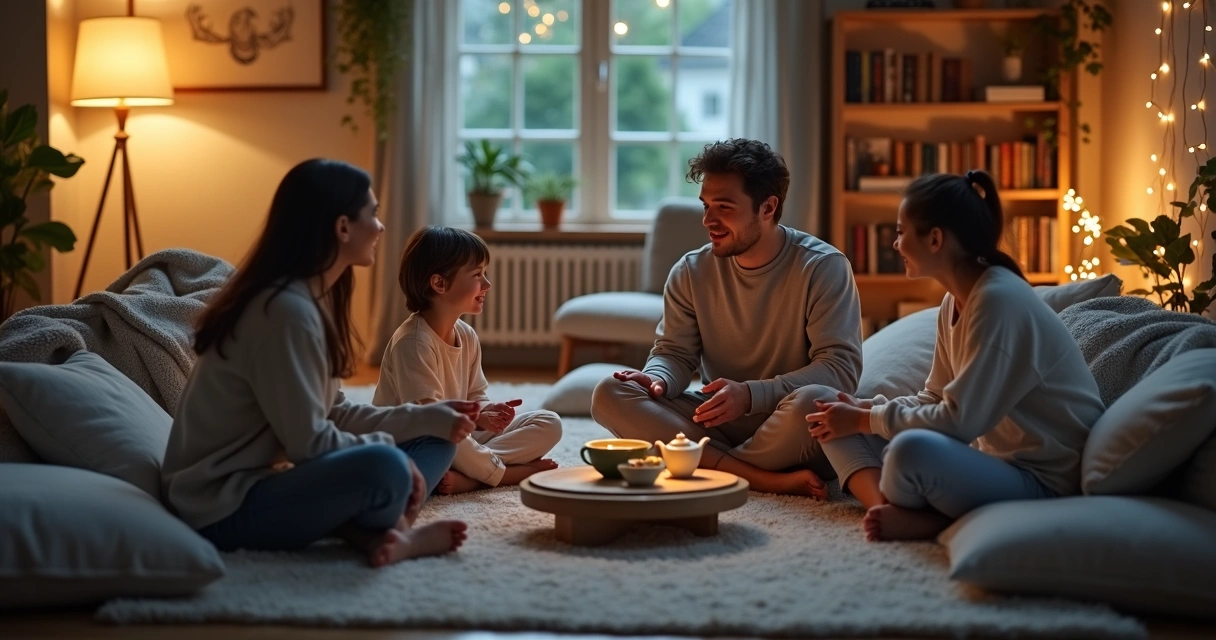
Home shapes how we speak, how we hide, and how we heal. When people feel safe at home, they do not need to guess which version of themselves will be accepted. They can ask hard questions, name hurt feelings, and admit fear without expecting shame in return.
Psychological safety at home means we can speak honestly without fear of ridicule, punishment, or emotional withdrawal.
We often see the same pattern. A family says they want honesty, yet someone is interrupted, judged, or mocked the moment they share something tender. After that, silence grows. It does not happen all at once. It happens in small moments. A sigh. A harsh joke. A door closed too fast.
A May 2024 survey by Pew Research Center found that 52% of U.S. adults feel extremely or very comfortable talking about mental health with an immediate family member. That is hopeful. It shows the home can be a place of real support. Still, it also tells us many people do not feel that comfort. The gap matters.
Why safety in conversation changes everything
When open dialogue is present, conflict does not vanish. We still disagree. We still get tired. We still miss each other’s meaning. But the tone changes. Instead of protecting our pride, we try to protect the relationship.
Safe homes make honest voices possible.
We think psychological safety starts before words. It begins in the body. If someone braces before speaking, scans faces for danger, or edits every sentence to avoid backlash, the home is not yet safe enough for truth.
In our experience, three signs usually show that dialogue is under strain:
People speak carefully, but not freely.
Mistakes trigger blame instead of repair.
Silence lasts longer after conflict than understanding does.
None of this means a family is broken. It means the atmosphere needs care.
Start with emotional permission
Many homes teach behavior before they teach emotional permission. We hear things like, “Calm down,” “Stop overreacting,” or “That is not a big deal.” The message may seem small, but it lands deeply. It tells the other person that their inner life must be edited to stay accepted.
Open dialogue grows when feelings are allowed before they are corrected.
This does not mean agreeing with every reaction. It means we let the feeling exist first. A child can feel angry. A partner can feel unseen. A parent can feel overwhelmed. Once that truth is named, the conversation has a chance to become real.
We once saw a simple shift change the whole mood of a family dinner. Instead of saying, “You are being dramatic,” one person said, “I can see this hit you hard.” The room softened. No miracle. Just space.
Build clear rules for hard talks
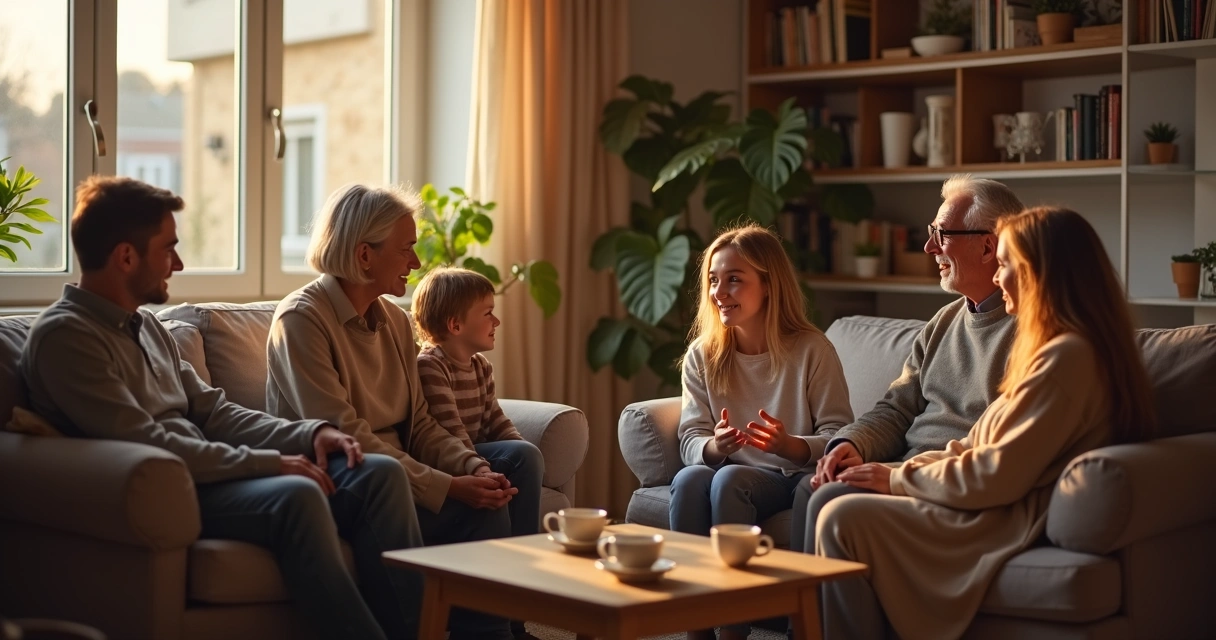
Good conversations rarely happen by accident, especially when a topic carries pain. We need shared rules. Not rigid scripts, but simple guardrails that lower emotional heat.
Some of the best household rules are plain and direct:
One person speaks at a time.
We describe impact instead of attacking character.
We can ask for a pause, but we must return to the talk.
We do not use private disclosures as weapons later.
These rules matter because trust is built through repeated proof. If someone shares something personal and it is thrown back during the next argument, safety drops fast. People do not forget that.
We also suggest setting the moment with care. Hard talks go better when people are not rushed, hungry, half asleep, or distracted by screens. Timing does not solve everything, but poor timing can damage even a good intention.
Listen for meaning, not for mistakes
Many people listen with one goal: to defend themselves. While the other person speaks, they prepare a counterpoint, search for flaws, or gather examples from the past. That habit blocks dialogue.
Listening well means trying to understand the message under the emotion.
For example, “You never help me” may not be a factual report. It may be a tired person saying, “I feel alone in this.” If we answer only the literal claim, we miss the deeper need. Then both people leave the talk feeling unseen.
Useful listening often sounds like this:
“What I hear is that you felt dismissed.”
“Is this more about today, or has this been building for a while?”
“I do not fully agree yet, but I want to understand.”
That last sentence can calm a room. It does not force false agreement. It shows respect.
Name stress before it becomes conflict
Not every household fight is about values or love. Sometimes it is about strain. Bills, sleep loss, care duties, health issues, and uncertainty can tighten the emotional climate until small issues ignite.
A UCLA report on household conflict during stay-at-home orders found that financial and childcare stress were linked to more conflict at home. Among adults with serious psychological distress and increased physical conflict, 93% reported severe effects on social life and personal relationships. The message is clear. Unnamed pressure changes how people relate.
We think families do better when they say, “We are under stress,” before they say, “You are the problem.” This shift protects dignity. It helps everyone see the context, not just the reaction.

Repair quickly after rupture
Even caring homes have ruptures. Someone snaps. Someone shuts down. Someone says the right thing in the wrong tone. Safety is not the absence of these moments. It is the presence of repair.
Repair asks for humility. It may sound like:
“What I said was unfair.”
“I can see I hurt you.”
“I want to try that again in a better way.”
Short words. Big effect.
When repair is delayed for too long, stories grow in the silence. People assume the worst. They replay the scene. They harden. A timely apology cannot erase pain, but it can stop more damage.
Make honesty feel safe for everyone
Open dialogue should not belong only to the loudest person in the home. Quiet people need room too. Children need language that fits their age. Older adults need patience, not dismissal. Partners need equal space, especially when one tends to dominate.
We have found that one question opens many doors: “What feels hard to say here?” It invites truth without forcing confession. Sometimes the answer comes fast. Sometimes it comes two days later while washing dishes. That still counts.
Another helpful practice is regular check-ins. A simple weekly moment can work well if it stays gentle and brief. People can share:
One thing that felt good this week.
One thing that felt heavy.
One thing they need more of at home.
This kind of rhythm makes honesty less dramatic. It becomes part of family life, not a sign that something has gone terribly wrong.
Conclusion
Psychological safety at home is built in ordinary moments. It lives in tone, timing, listening, repair, and the daily proof that truth will be met with respect. We do not create open dialogue by demanding it. We create it by making honesty feel safer than silence.
If we want a healthier home, we can begin with one steady choice: respond in a way that keeps the door open.
Frequently asked questions
What is psychological safety at home?
Psychological safety at home is the sense that we can speak honestly, share feelings, admit mistakes, and ask for help without being mocked, ignored, or punished. It allows people in a household to be real with each other while still feeling respected.
How can I encourage open dialogue?
We can encourage open dialogue by listening without interrupting, validating feelings before giving advice, setting fair rules for conflict, and making time for calm conversations. It also helps to ask open questions and avoid using personal disclosures as weapons in later arguments.
Why is psychological safety important?
Psychological safety matters because it supports trust, emotional honesty, and healthier conflict. When people feel safe, they are more likely to speak early about pain or stress, which lowers resentment and helps the household solve problems with more care.
What are signs of psychological safety?
Common signs include people speaking without fear, admitting mistakes, asking questions freely, and recovering from disagreements through respectful repair. You may also notice less defensiveness, fewer personal attacks, and more willingness to listen.
How to handle disagreements respectfully?
We can handle disagreements respectfully by focusing on the issue instead of attacking the person, taking turns speaking, naming feelings clearly, and pausing when emotions rise too high. After the conflict, it helps to repair with honesty, accountability, and a willingness to keep the relationship intact.