
We all have invisible stories that play in the background of our minds, quietly shaping the way we think, feel, and act in the world. Sometimes, these stories empower us. Sometimes, they hold us back. There’s a name for the hidden ideas that put walls around our possibilities: limiting beliefs.
What are limiting beliefs and why do they matter?
Limiting beliefs are ideas or assumptions about ourselves, others, or the world that stop us from pursuing growth or change. We tell ourselves things like, "I'm not good enough," or "People like me never succeed." These thoughts rarely arrive as full sentences. Often, they’re background noise in our inner conversations.
Strong beliefs can anchor us, but when that anchor is full of doubt or fear, it pulls us down. In our experience, the most stubborn beliefs are picked up early on, copied from our family, teachers, or childhood experiences. Over time, they sink deeper, disguised as truth.
Beliefs shape our reality before we notice them.
So, how can we spot these inner barriers and write a new story for ourselves?
How limiting beliefs are formed
Understanding where limiting beliefs start gives us the power to question and change them. They can grow from:
- Personal experiences: A mistake or failure can whisper, "Never try that again."
- Family messages: Words spoken by caregivers, such as "Our family isn’t good at math" or "We struggle with money."
- Social influence: Cultural or societal biases, stereotypes, and expectations.
- Comparison: Watching others succeed and thinking, “That’s just not possible for me.”
Over time, these messages become unconscious scripts. They feel like facts. But they aren’t.
Common signs you might have limiting beliefs
It isn’t always easy to hear our beliefs because they speak quietly. We notice their effects:
- Procrastinating on big decisions or goals.
- Keeping ourselves small, avoiding new challenges.
- Excessive self-criticism or negative self-talk.
- Feeling stuck or powerless to change situations.
- Jealousy toward those who achieve what we desire.
- Focusing on what might go wrong, rather than what could go right.
We’ve found that bringing awareness to these patterns is the first small victory.
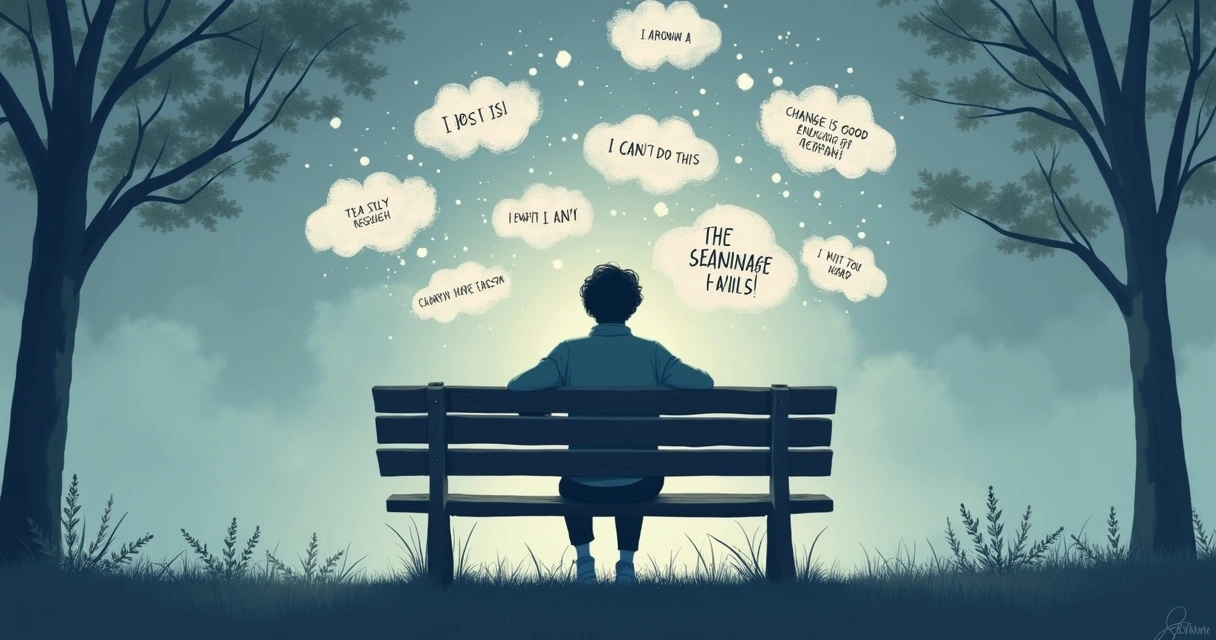
Steps to identify your own limiting beliefs
If we want to change, we must first recognize the stories we’ve accepted as absolute truths. Here’s a process we use to bring beliefs out into the light:
- Notice the repeating patterns. When something in your life feels stuck, ask yourself: “What do I keep telling myself in this situation?” Write it down without judging.
- Find the root. Reflect on where that belief may have started. Was it something you heard long ago? A single experience? Sometimes, simply spotting the source is freeing.
- Look for evidence. Ask, “Is this really true? Could someone else in my life see it differently?” We often find the belief is only one perspective.
- Name the emotion. Pay attention to how the belief feels. Fear, shame, anger, or disappointment? Naming it gives you distance and makes it less overwhelming.
- Challenge the script. If you shared this belief with a friend, would you agree with them or help them see another way? This gentle approach works wonders.
Small, honest questions open space. Space gives us choice.
Updating your inner story
Changing the inner story isn’t about tricking ourselves with empty positivity. It’s about anchoring our self-talk in reality and possibility. Here’s what has worked for many:
- Write a new statement. If the old belief was, “I’m always left out,” try, “I am learning to connect with people in new ways.” Make it realistic. It needs to feel true, or you’ll reject it.
- Visualize the new belief in action. Picture yourself choosing or behaving differently with your new thought at the wheel.
- Start with one small action. Don’t overhaul your entire life overnight. Take a single, low-risk step where you act as if the new belief is true.
- Repeat the process. Every new experience is evidence for your updated story. Note each success, no matter how minor.
Updating our inner story is not erasing the past, but giving ourselves permission to grow beyond it.

Building resilience through conscious practice
We’ve seen that transformation is rarely instant. It comes from gentle persistence. Here are the practices that help lock in the new story:
- Daily reflection: Spend a few minutes noting the beliefs that show up and how you respond to them.
- Compassion toward yourself: Notice critical thoughts without judgment and gently guide your thinking elsewhere.
- Conscious language: Pay attention to your words, both spoken and unspoken. Try shifting from “I can’t” to “I’m trying,” or “This is hard for me” to “I’m learning.” These phrases matter.
- Connecting with others: Talk about your inner story with those who support your growth. Sometimes, being heard is half the battle.
- Celebrating progress: When you notice even one moment where you acted from a new belief, acknowledge it. Progress makes the next step easier.
Growth happens in the small choices, day after day.
Conclusion: The lifelong journey of rewriting your story
We have realized that identifying limiting beliefs is not just about self-criticism. It’s about claiming the freedom to author our own inner narratives. Each of us has the capacity to update our story over and over, as life calls us forward. Small steps, honest reflection, and kind persistence create real change. When we become the conscious authors of our beliefs, the world opens in new ways that once seemed impossible.
Frequently asked questions
What are limiting beliefs?
Limiting beliefs are unhelpful ideas or assumptions we hold about ourselves, others, or the world that restrict our growth and possibilities. These beliefs often develop unconsciously and can affect how we think, feel, and behave in daily life.
How to spot limiting beliefs?
To spot limiting beliefs, notice where you feel stuck, afraid, or doubtful in your life. Reflect on your self-talk, especially during challenges, and look for repeating patterns or negative statements. Writing down your thoughts and asking, “Is this absolutely true?” can help reveal beliefs that are holding you back.
Why update your inner story?
Updating your inner story gives you the power to choose new beliefs that support growth, confidence, and fulfillment. By reshaping your self-talk and challenging old patterns, you open up new possibilities and live more authentically.
Can limiting beliefs be changed?
Yes, limiting beliefs can be changed with awareness, reflection, and practice. By identifying the belief, questioning its truth, and replacing it with a supportive alternative, you can gradually shift your inner narrative and actions.
How to replace negative self-talk?
Begin by noticing automatic negative thoughts and challenging their accuracy. Replace harsh statements with kinder, more realistic alternatives. Regular practice, compassion, and keeping a journal of your progress can help reinforce more supportive self-talk over time.