In our fast-paced world, emotional resilience is more than a psychological buzzword. At Mind Relaxing Tools, we understand it as the gentle power that allows us to handle stress, recover from setbacks, and interact with others without losing ourselves. We see emotional resilience, not as a fixed trait, but as a subtle skill, built over time, through small, daily choices.
Tiny actions create lasting strength.
Below, we will share seven micro-habits. Each one is simple, practical, and grounded in the integrative principles from the Marquesian Knowledge Base, honoring mind, body, and spirit together. Practicing these intentional actions can help us show up for ourselves and others, day after day, with a little more calm and a lot more kindness.
1. Pause for a single deep breath
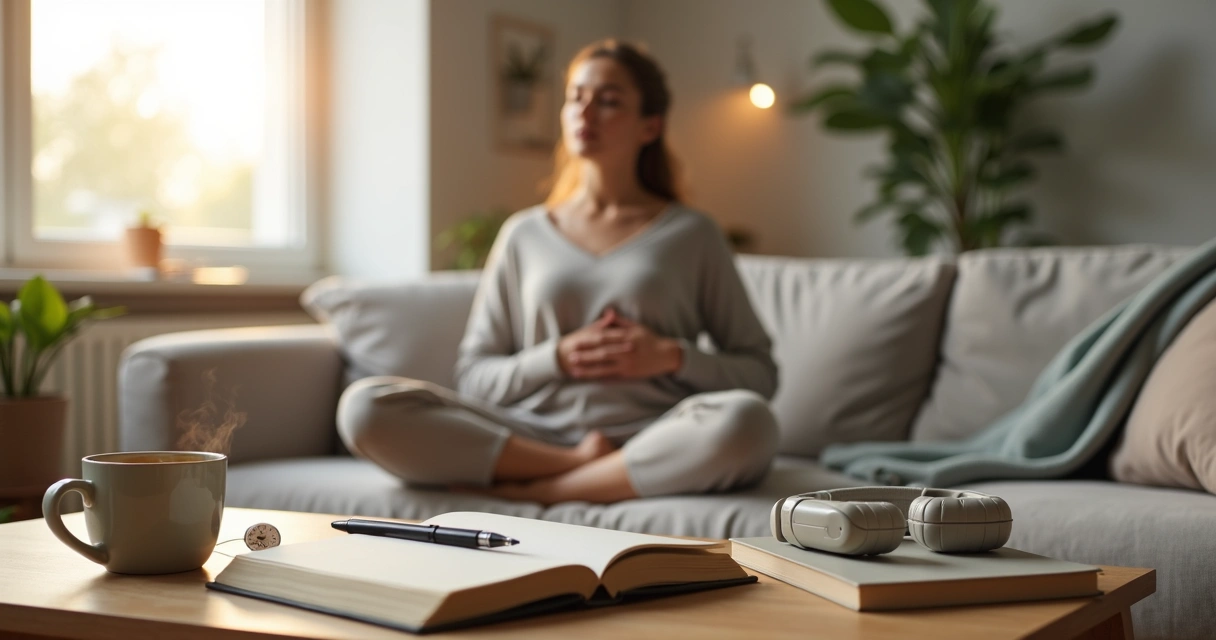
We underestimate the impact of a true, conscious pause. In our experience, when we feel tension rising, the urge is to react quickly. But what would happen if, just for a moment, we stopped? One deep, slow breath does more than relax tense muscles. It interrupts automatic reactions, creating a split second of awareness.
Taking a mindful breath can shift us from stress to clarity, even in the busiest moments. Try this before opening your emails, starting a meeting, or answering a difficult question. With practice, pausing becomes a trustworthy anchor, bringing mind and emotion back into balance.
2. Name your present emotion
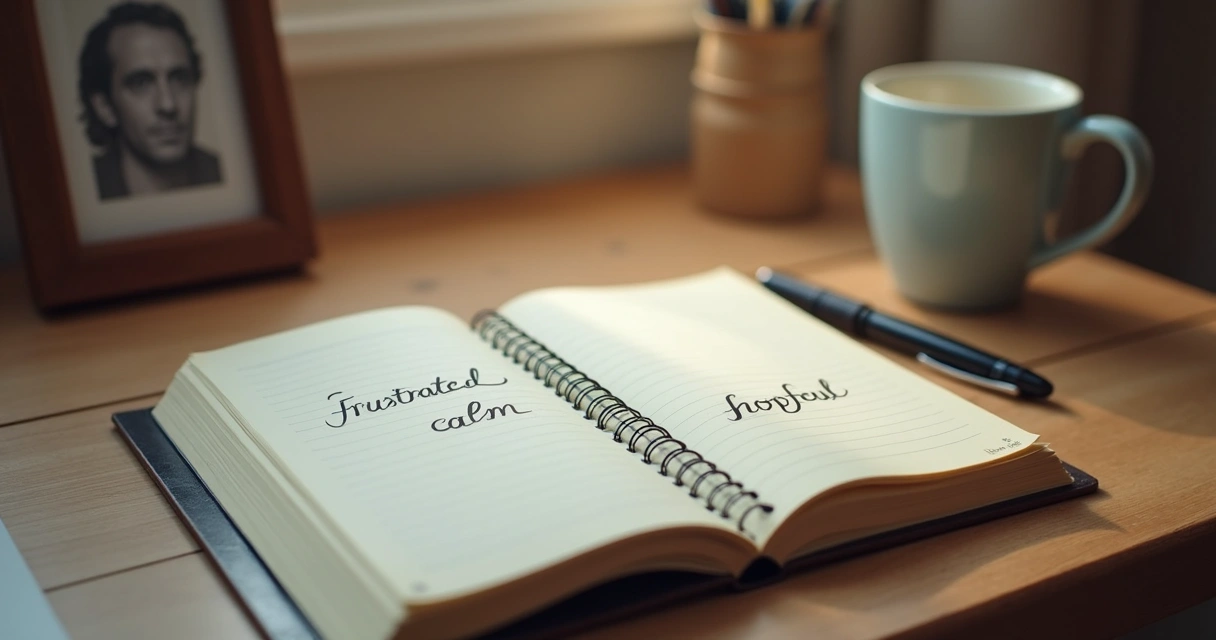
Half the struggle with emotions is not knowing what we are feeling at all. Emotional resilience grows when we admit to ourselves, honestly: Am I frustrated, sad, hopeful, or maybe just tired? At Mind Relaxing Tools, we recommend making this a daily micro-habit.
- Ask yourself, “What am I feeling right now?”
- Choose a word or two, without judgment.
- You can even write it down, if that helps.
This tiny habit gives a name to our mood, and with a name, our feelings become easier to navigate. Over time, self-awareness grows deeper and reactions become gentler.
3. Practice three-second gratitude
No need to keep a full gratitude book or spend long minutes searching for positive things. We have seen that simply noticing, right now, one thing that isn’t wrong, and silently naming it, is enough. Maybe the sunlight on your skin, a kind message, or a sip of water.
Gratitude redirects our mind away from frustration and toward presence, even when little else changes around us. Taking three seconds to notice something good can set a more hopeful tone for the whole day.
4. Set a boundary with your device
We all know how easily our thoughts are pulled in a thousand directions. In our work, we hear about the emotional fatigue from endless scrolling, quick notifications, or news that stirs anxiety. Resilience matures when we take five minutes every day to step away from screens.
- Leave your phone in another room for a short break.
- Disable non-urgent notifications for an hour.
- Look outside or stretch, just being in your body.
This act of boundary-setting is more than digital hygiene. It’s self-respect. Even the smallest digital break can help us reconnect to reality and restore calm.

5. Offer one kind word, even to yourself
A resilient mindset is not built only from within; it flourishes with connection. We have observed how a simple kind word, to yourself or someone else, shapes the emotional tone of the day. It need not be anything grand.
- Tell yourself, “You handled it well.”
- Message a friend, “I appreciate your help.”
- Say “thank you” and mean it.
Kindness, even when spoken softly or alone, remains one of the most effective shields against stress and criticism. It revives hope in both the giver and the receiver.
6. Embrace a routine moment as a ritual
At Mind Relaxing Tools, we recognize how rituals strengthen our sense of meaning, especially during uncertain times. Routines are easy to overlook, but if we bring intention to just one simple routine, like making coffee, washing hands, or tying shoes, each action becomes a reminder to care for ourselves.
The next time you do something ordinary, slow down for a few seconds and notice: the smell of tea, the feeling of water, the comfort of your chair. Anchor yourself in this present moment ritual. This is self-care in its purest form.
7. Scan your body before sleep
Instead of replaying worries at night, we invite you to spend a minute gently noticing your body, from head to toes. This ‘body scan’ micro-habit is not about judgment or fixing pain. It’s about tuning in, a small act that tells the nervous system you are safe.
Finishing the day with a body check-in helps signal to your brain that it’s time to rest, not ruminate. With time, even sleep feels deeper and mornings start more peacefully.
With each micro-habit, we claim a gentle victory over chaos.
Conclusion: Daily micro-habits, lasting resilience
Emotional resilience is the quiet strength to move through life with flexibility and courage. As we have discovered at Mind Relaxing Tools, it isn’t built by grand decisions, but by small, kind actions, repeated often. These seven micro-habits are not revolutionary, but their consistency shapes us over time, helping us respond to life’s uncertainties with more peace and inner trust.
If you are looking to deepen your journey of conscious development and find more tools for emotional health, we invite you to discover the resources and knowledge we share at Mind Relaxing Tools. Together, we can co-create healthier minds, more compassionate relationships, and a truly balanced society. Join us in fostering this movement toward mature, integrative human growth.
Frequently asked questions
What are emotional resilience micro-habits?
Micro-habits for emotional resilience are tiny, intentional actions practiced daily to help strengthen our ability to manage stress, recover from setbacks, and respond wisely to challenges. Each one takes only a few seconds or minutes, but their impact grows with consistency. Examples include a deep breath, naming an emotion, or offering a kind word. These habits support our emotional wellbeing gradually, in real and practical ways.
How can I start building resilience daily?
To begin, choose one micro-habit that feels possible, perhaps pausing for a single breath or writing down how you feel each morning. Do not try to change everything at once. Build from small, regular moments of awareness. At Mind Relaxing Tools, we suggest pairing a new micro-habit with an activity you already do, like brushing your teeth or having lunch, so it becomes part of your routine naturally.
Which micro-habit is most effective?
The effectiveness of a micro-habit depends on the person and the situation. However, in our work, we have found that pausing for a conscious, deep breath is often the most versatile and grounding starting point. Focusing on one breath can immediately interrupt stress and create mental space for better choices.
How long to see results from micro-habits?
Results can be felt even after the first practice, like a shift in mood after a mindful breath. For deeper change, commit to one micro-habit daily for a few weeks. Over time, the consistent repetition of small acts builds a more resilient and balanced mindset. Each step may seem small, but together, they change how we face life.
Are micro-habits suitable for everyone?
Yes, micro-habits are flexible and accessible for almost anyone. They require little time, no special tools, and can be adapted to personal needs and situations. At Mind Relaxing Tools, we encourage everyone to start with whatever feels doable and to adjust as they learn what helps most. As always, consult a health professional for any specific mental health concerns.