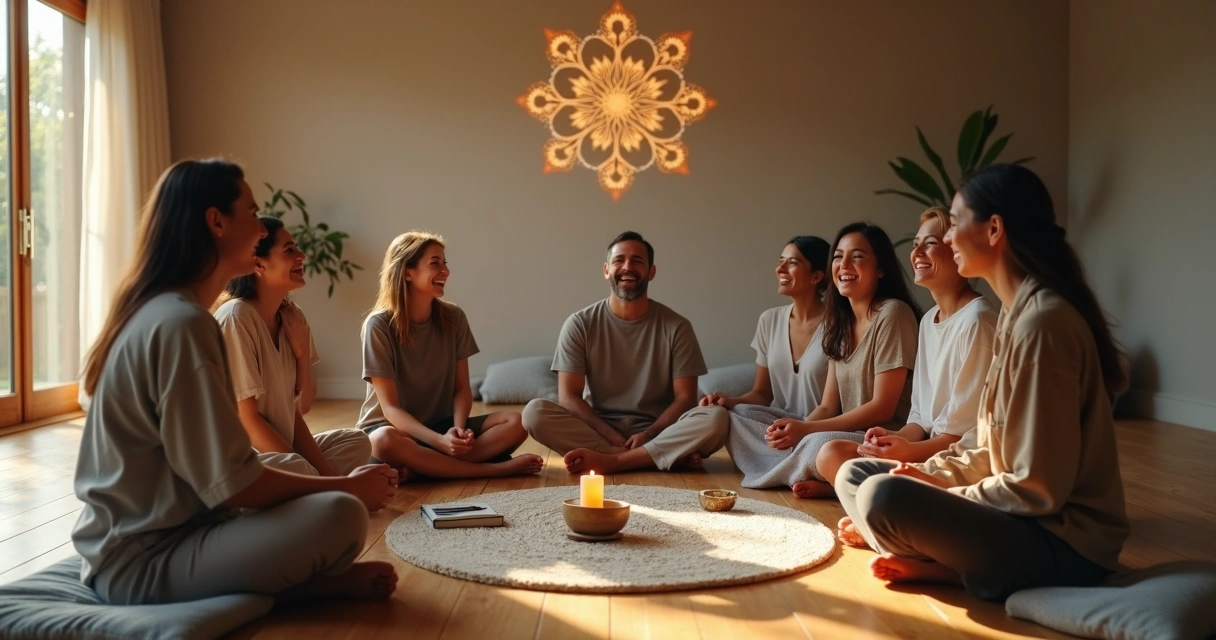

In our fast-moving routines, it is easy to lose touch with our present experience. We believe that genuine consciousness practices are not external to daily life, but can be woven directly into the fabric of each moment. Not just for those who meditate or practice yoga, these approaches can fit any lifestyle, making daily living more meaningful and bringing greater clarity to our actions and choices. Below, we share ten concrete ways to make consciousness a living presence, no matter how busy or ordinary our days may seem.
1. Begin the morning with intention
How we start the day will shape much of what follows. Rather than reaching for your phone or jumping straight into chores, we recommend dedicating the first five minutes to quietly setting an intention. Setting an intention means clarifying what matters for the day and aiming to act from a place of awareness. This can be as simple as promising to listen carefully, to notice how you react, or to move your body gently between activities. The impact is subtle at first, but with repetition becomes unmistakable.
2. Mindful transitions between activities
Modern life is filled with small shifts—moving from work tasks to family time, or from calls to meals. These transition moments offer a great opportunity for simple conscious presence.
- Before starting something new, pause and take a deliberate breath.
- Gently recognize closing one chapter and beginning another.
- Notice what you’re holding internally, whether tension, hope, or fatigue.
These tiny pauses help us respond, not just react.

3. Conscious breathing anywhere
We have all found ourselves becoming anxious or impatient during commutes or standing in lines. In our experience, conscious breathing is a practical anchor that brings the mind and body back together, even in mundane places.
“One mindful breath can change the whole moment.”
We suggest trying the following:
- Inhale slowly for four counts, then exhale gently for four counts.
- Repeat this for several rounds, just watching the breath come and go.
Don’t force anything. Even brief, gentle breath awareness leaves a strong impression on mindset and mood.
4. Sensing the body throughout the day
We notice that the body often holds tension, discomfort, or even relaxation before the mind is aware of it. Scanning the body with attention—shoulders, jaw, hands, feet—ground us in the present. Try:
- Checking for tension at your desk or in the car and releasing it with a soft exhale
- Feeling the soles of your feet on the floor as a reminder you are here, now
Physical awareness is a gateway to deeper emotional and mental clarity.
5. Listening deeply, not just hearing
We feel most connected in conversations when we really listen, not only with our ears but also with our full attention. For us, this is a powerful consciousness practice.
“Deep listening turns routine talk into meaningful exchange.”
Let the other person finish. Let there be silence after their words. Notice your urge to plan your reply, and instead stay present. We see relationships soften and strengthen when this is put into practice.
6. Bringing awareness to routine tasks
Whether we are washing dishes or watering plants, these everyday actions can serve as reminders to be fully present. This doesn’t have to be complicated:
- Feel the temperature of the water on your hands.
- Notice the colors and texture of what you’re cleaning or tending to.
- Allow routine movement to become slow and attentive, for even just a moment.
When we actually notice what we are doing, daily chores stop being mindless and become mini-opportunities for conscious presence.

7. Single-tasking over multitasking
We live in a culture that encourages doing many things at once, yet research and personal observation show that attention is diminished that way. We advise making a practice of doing one task at a time, giving your best attention to it, and finishing before moving to the next.
“When we do one thing well, the mind learns presence.”
Even for fifteen minutes, this practice boosts clarity and internal calm.
8. Noticing inner dialogue and self-talk
Paying attention to the story running inside our heads is another daily consciousness tool. We recommend this gentle process:
- Throughout the day, notice repetitive thoughts or judgments about yourself or others.
- Do not fight or suppress them, just notice and name what's there.
This is not about judging the thoughts, but observing the mind so it does not control your state without your knowledge.
9. Using gratitude as a lens
Practicing gratitude changes our relationship to daily life. Instead of focusing on what is missing or difficult, try pausing to notice something good—a cool breeze, a friendly smile, a successful meeting.
- At the end of the day, name three things that brought comfort or joy.
- Let gratitude be specific, not general.
Strong gratitude can be grounding and restore perspective, even after a hard day.
10. Wind-down rituals for restful sleep
We suggest finishing each day with a gentle, conscious transition to rest. Sleep is not separate from consciousness practice; the way we end the day shapes its quality.
- Dim the lights, slow down devices, and stretch or relax for five minutes.
- Reflect softly on how you showed up today—without criticism.
- Let go of lingering worries, and trust your mind to rest.
“Conscious closing helps the heart and mind reset for tomorrow.”
Conclusion
We see consciousness practices not as things to add to an already full list, but as ways of relating to every moment. When we bring even small bits of attention and presence to our routines, our relationships shift, our minds find calm, and our purpose becomes clearer. It is the consistent, sincere attention to our experience that brings genuine change—one present moment at a time.
Frequently asked questions
What are consciousness practices?
Consciousness practices are any regular activities done with full awareness of body, mind, and present moment experience. This can include mindful breathing, gentle movement, focused attention to tasks, deliberate rest, emotional noticing, or reflective gratitude. The key is presence and intention, not just the activity itself.
How to start daily consciousness practices?
We recommend starting small and linking a simple practice to something you already do—like taking a gentle breath before meals or doing a two-minute body check before sleep. Pick one routine and apply conscious attention, then slowly add others as it feels natural.
Are consciousness practices worth the time?
Many people notice more calm, patience, and clarity in their lives when they use consciousness practices. Even a few minutes a day can result in less stress, better focus, and more meaningful connection with others.
What are the best beginner practices?
We find that mindful breathing, paying close attention to daily tasks, and practicing gratitude are excellent places to start. These practices fit naturally into most routines and do not require major changes to your day.
How do I track my progress?
You can keep a small journal to note moments of presence or difficulty. Some prefer a checklist or a reminder on their phone. The most telling sign of progress is how you respond to life’s small stresses and the depth of connection you feel with others and yourself as days go by.