We have all experienced it. A wave of frustration, anxiety, or sadness appears right when we wish it would stay away. In these moments, our breath becomes shallow or fast, sometimes even unnoticed by our awareness. Yet, within the simple rhythm of our breathing, a powerful opportunity exists to affect how we feel, think, and respond.
Breathing is not only a biological necessity, but a direct channel to regulate our emotions, reset our nervous system, and strengthen resilience. Over time, we have studied and practiced ways to make breath a reliable companion during stress, overwhelm, and daily tension. The following ten breathing techniques have consistently shown benefits for managing emotions in a practical, accessible way.
1. Diaphragmatic breathing
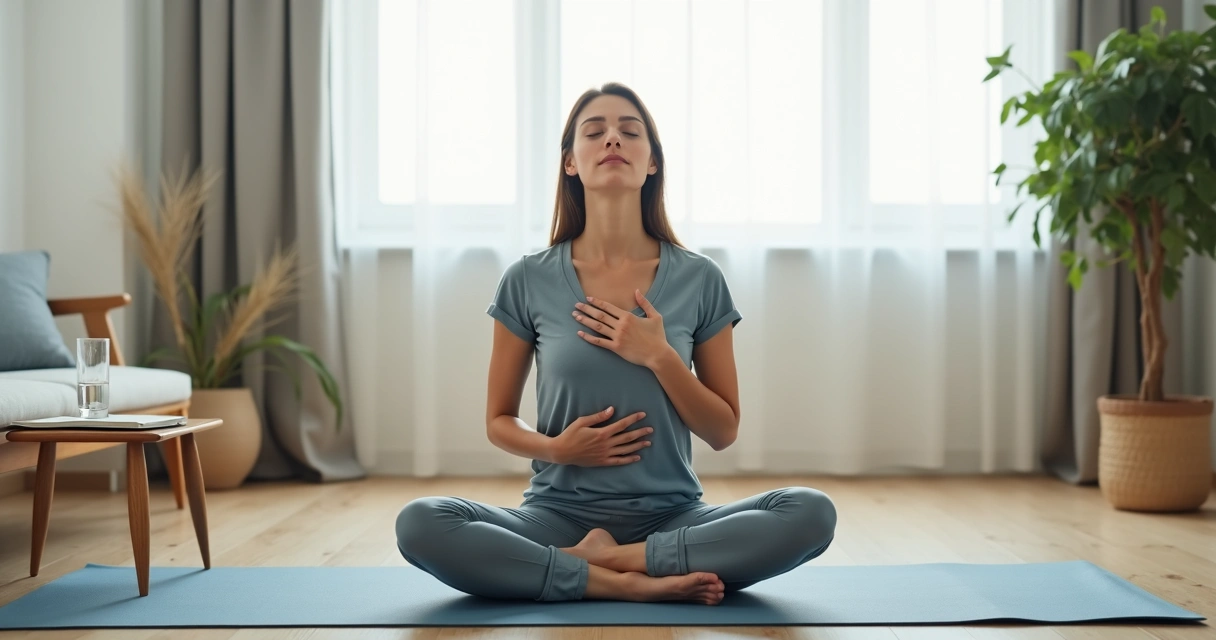
Most of us naturally breathe into our chest, especially when we feel stressed. Diaphragmatic breathing, sometimes called belly breathing, brings awareness down to the abdomen. We recommend resting one hand on the belly and the other on the chest. Slowly inhale through the nose, noticing the abdomen rise, then exhale through pursed lips, letting the abdomen fall. Repeat at a comfortable pace for one to five minutes.
Let your breath fill your belly, not just your lungs.
This approach activates the body’s relaxation response, signaling safety to the nervous system and helping emotions settle.
2. Box breathing
Box breathing is a structured pattern that can steady turbulent emotions quickly. Picture drawing a square with your breath: inhale to a count of four, hold for four, exhale for four, and pause for four. Repeat the cycle for several rounds. This balanced pattern often brings a gentle clarity to mind and body.
3. 4-7-8 breathing
We have seen how this rhythmic breath can invite calm, especially in moments of high tension. Inhale slowly for a count of four, hold the breath for seven counts, then exhale slowly for eight counts. A few rounds often quiet mental chatter, making this technique a favorite before sleep or after an emotional conversation.
4. Alternate nostril breathing
Balance is not just a metaphor; it can also happen in the body through the breath. Alternate nostril breathing uses the fingers to gently close one nostril at a time, inhaling and exhaling slowly, then switching sides. This technique, while simple, brings a felt sense of equilibrium and tranquil focus. It is particularly helpful if we need to transition between high-energy tasks and more reflective states.
5. Resonant breathing
Resonant or coherent breathing focuses on slowing the breath to about five or six breaths per minute. We suggest inhaling and exhaling, each for a count of five or six. This intentional rhythm aligns heart and breath, producing a soothing and grounding effect. Over time, this may help us approach challenges with more steadiness and less reactivity.
6. Sigh breath
Sometimes the quickest way to shift the emotional state is through a purposeful sigh. Take a slow, full inhale through the nose, and then release a long, audible sigh through the mouth. Repeat several times, letting the shoulders drop. We often use this to dispel built-up tension or after a demanding meeting.
A deep sigh can reset more than your breath. It can lift the heaviness from your mood.
7. Lion’s breath
This one can feel a little silly at first, but it unlocks a feeling of release. Sit comfortably, inhale deeply, then open your mouth wide, stick out your tongue, and exhale forcefully, making a gentle sound as you do. Lion’s breath can shake off emotional residue and leaves us feeling lighter—it’s especially useful for children, too.
8. Pursed-lip breathing
When anxiety quickens our breath, pursed-lip breathing can encourage a slow, mindful pace. Inhale gently through the nose, then exhale slowly through the mouth with lips pursed, as if blowing out a candle. This method reduces tension and brings awareness back to the present.
9. Breath counting
We have found breath counting to be an effective anchor for restless thoughts. Breathe naturally, count each inhale and exhale (starting from one), and aim for a set number such as ten. If attention drifts, gently return to one. By making breath the focus, stories and worries can fade into the background.
10. Extended exhale breathing
This technique stretches the exhalation phase, which encourages relaxation. Inhale for a comfortable count (such as four), then exhale for a longer count (like six or eight). We have noticed that the longer out-breath invites a natural sense of release and signals the body to unwind.
Building breathing habits for emotional regulation
Adding breathing techniques into daily routines can make emotional regulation more consistent. We encourage starting with short, regular practices—perhaps just a minute or two each morning or after a challenging event. Over time, these minutes multiply, and the benefits are easier to access even when stress peaks.
Mix and match the techniques to discover which work best for different moments. Some days, structured breathing feels best. Other times, a big sigh or lion’s breath lifts the mood. The key is to build a sense of trust in the breath’s ability to guide us back to calm and clarity.
When we shape our breath, we shape our emotions.
Conclusion
Breathing techniques do far more than support our bodies; they serve as bridges between emotional storms and stillness. Through consistent, gentle practice, we create room for self-awareness and healthier responses. Simple as these techniques may seem, they open doors to deeper self-understanding, resilience, and an increased sense of agency in our lives.
In our experience, tuning into the breath becomes a daily act of care. With patience, each mindful inhale and exhale becomes a step toward emotional balance. The journey is both scientific and deeply human.
Frequently asked questions
What is emotional regulation breathing?
Emotional regulation breathing refers to specific techniques that use the breath to calm or energize the body and mind, making it easier to manage difficult feelings. By changing the way we breathe, we can affect our nervous system and bring more balance to our emotional responses.
How often should I practice these techniques?
Most techniques work best with regular, gentle practice. We suggest starting with one to five minutes each day and increasing as it feels comfortable. Some people practice during stressful moments, while others prefer consistent structured sessions as part of their daily routine.
Which breathing technique works fastest?
Box breathing and sigh breath often offer the quickest relief during stress. Many people notice a calming effect after just a couple of rounds. However, the fastest technique can vary between individuals, so it is helpful to try different methods to find what works best for you.
Can kids use these breathing techniques?
Yes, children can benefit greatly from breathing techniques like diaphragmatic breathing, sigh breath, and lion’s breath. We recommend making the practice playful and keeping instructions simple for better engagement and learning.
Are these breathing techniques safe for all?
For most people, these breathing techniques are safe and easy to learn, especially when practiced gently. If someone has a respiratory condition or special health concern, it is wise to consult a healthcare professional before starting new practices.